
Podcast
#334: Your Food Allergy Questions Answered with Ron Sunog, MD
In this episode
In this episode we're talking about:
- Which foods are most likely to cause food allergy reactions
- The best thing to do as parents to lower your baby's risk of food allergy
- How to identify a food allergy reaction…and what to do
Episode Description
Introducing allergenic food to your baby early and often can help lower the risk of food allergy. In this episode pediatrician Dr. Ron Sunog is answering some common questions about allergenic foods. What causes an allergic reaction? What do allergic reactions look like? How much of an allergenic food “counts” and how often do we have to feed these foods?
About the Guest
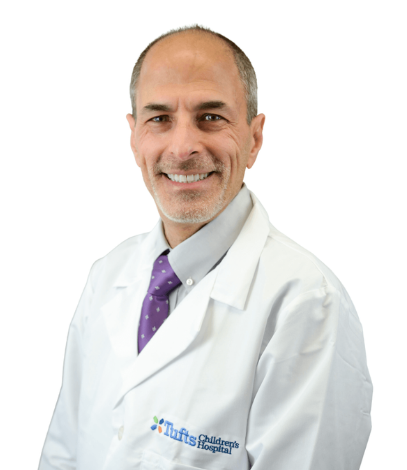
- Dr. Ron Sunog is a pediatrician with an interest in using food to prevent food allergy
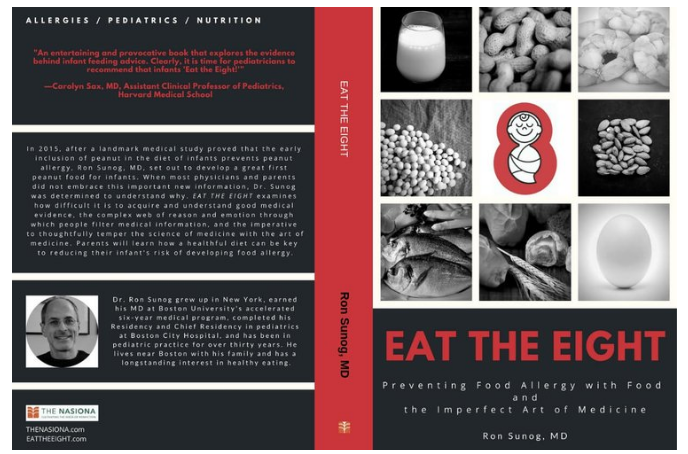
- He is the author of the book EAT THE EIGHT on introducing allergenic foods to babies
Links from this Episode
- Dr. Sunog’s book EAT THE EIGHT is a great resource for how to safely introduce allergenic foods https://eattheeight.com/
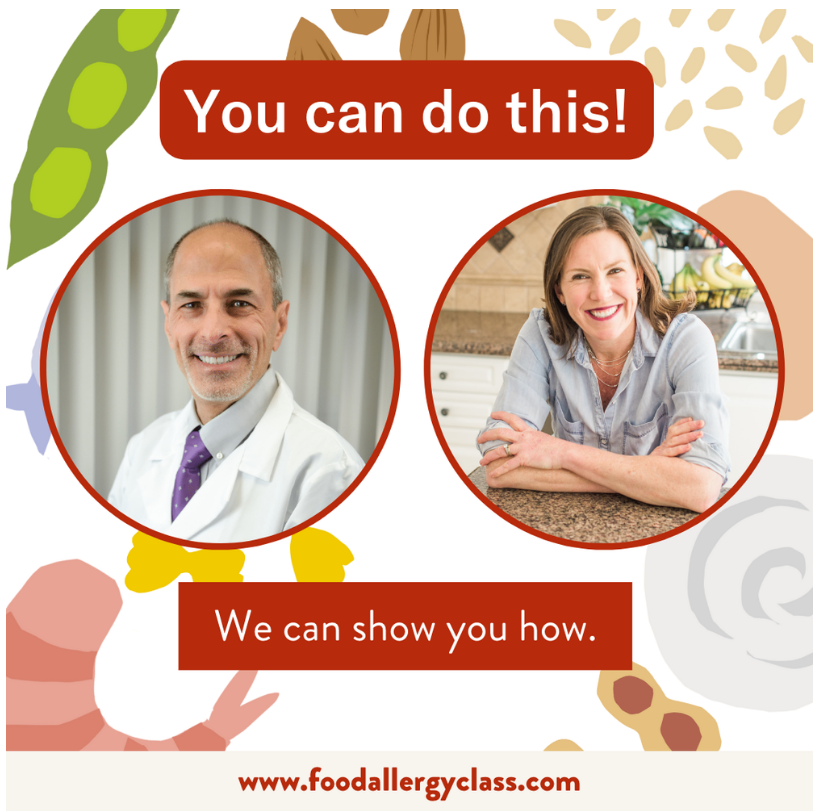
- Katie & Dr. Sunog co-teach an allergenic foods course called EAT THE EIGHT…and more and you can learn about that here: https://www.foodallergyclass.com/
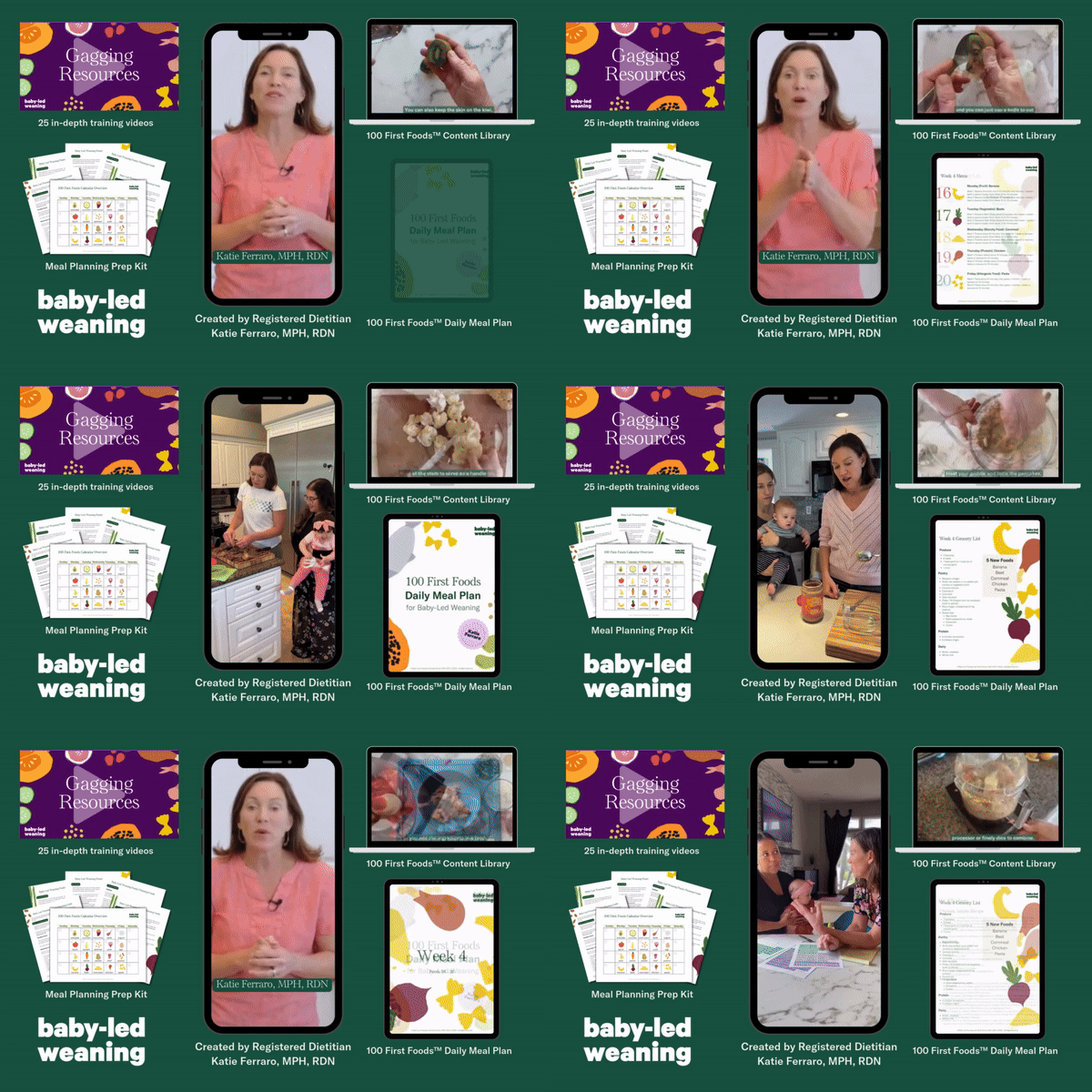
- Baby-Led Weaning with Katie Ferraro program with the 100 First Foods™ Daily Meal Plan, join here: https://babyledweaning.co/program
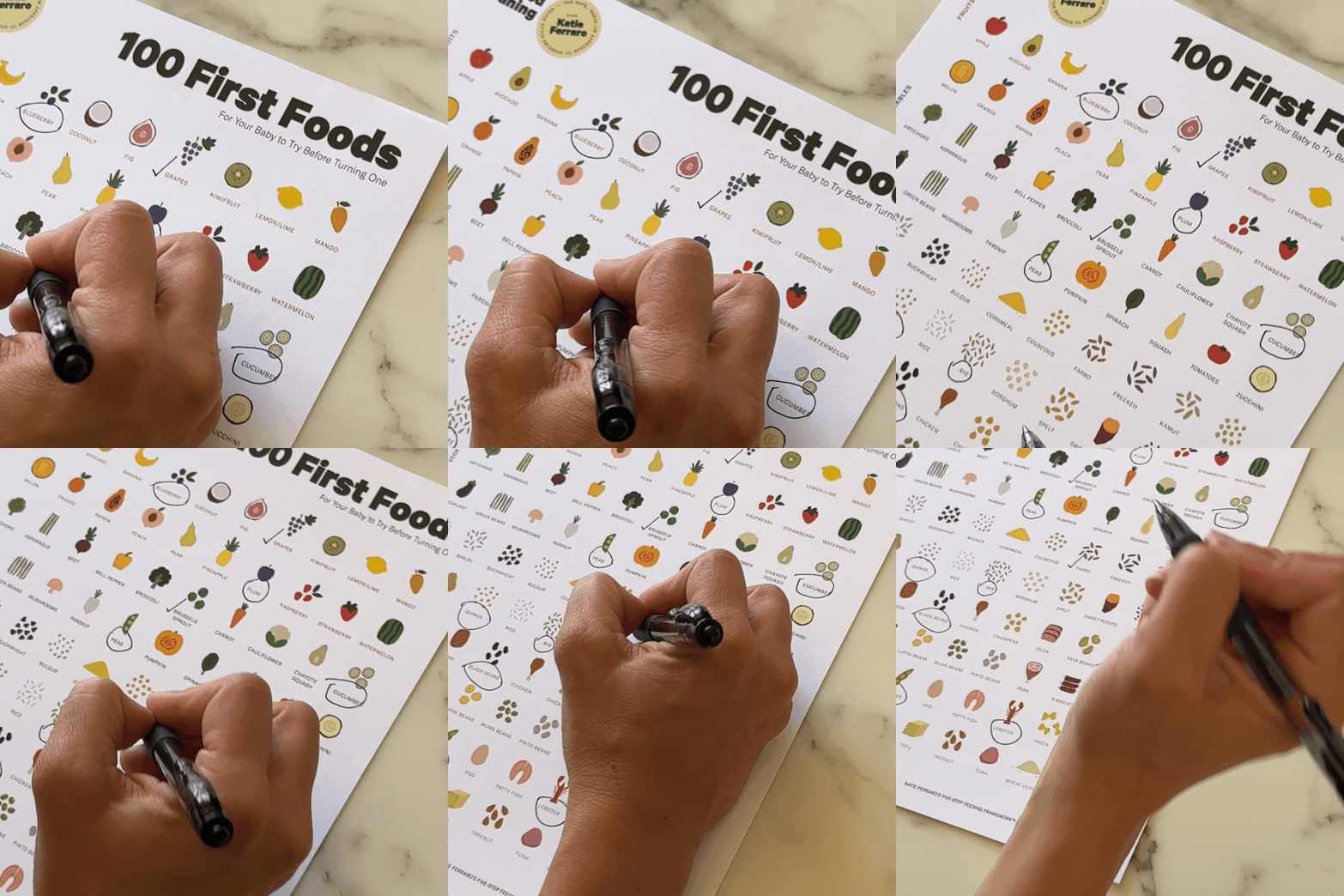
- Baby-Led Weaning for Beginners free online workshop with 100 First Foods™ list to all attendees, register here: https://babyledweaning.co/baby-led-weaning-for-beginners
Other episodes related to this topic:
- Episode 227 - When Does the Food Allergy Prevention Window Close? with @allergykidsdoc David Stukus, MD https://blwpodcast.com/episodes/227
- Episode 286 - Is My Baby Dairy Intolerant? Food Protein Induced Allergic Proctocolitis (FPIAP) with Marion Groetch, MS, RDN https://blwpodcast.com/episodes/286
- Episode 58 - What do I do if My Baby Has an Allergic Reaction? with Ron Sunog, MD https://blwpodcast.com/episodes/58
- Episode 123 - HELP! My Baby has a Contact Rash from a New Food with Ron Sunog, MD https://blwpodcast.com/episodes/123
- Episode 128 - Introducing Allergenic Foods: Ask Us Anything with Ron Sunog, MD and Katie Ferraro, MPH, RDN, CDE https://blwpodcast.com/episodes/128
- Episode 216 - Food Allergy & Kids: What’s New and Notable with Ron Sunog, MD https://blwpodcast.com/episodes/216
- Episode 226 - Allergenic Foods: Why Your Pediatrician Isn’t Talking About This with Ron Sunog, MD https://blwpodcast.com/episodes/226
- Bonus Episode - Is it Safe to Introduce Allergenic Foods During COVID-19 with Ron Sunog, MD https://blwpodcast.com/episodes/bonus/covid
Click here for episode transcript
Katie Ferraro (1m 28s):
Hey there. I'm Katie Ferraro, registered dietitian, college nutrition professor and mom of seven specializing in baby-led weaning Here on the baby-led weaning made easy podcast. I help you strip out all of the noise and nonsense about feeding, leaving you with the confidence and knowledge you need to give your baby a safe start to solid foods using baby led weaning. How are you feeling about the introduction of allergenic foods for your baby? Maybe you're aware there are nine foods that account for about 90% of Food Allergies. We call these the Big nine Allergenic Foods. I recommend starting these foods early and often with your baby.
Katie Ferraro (2m 8s):
But I also know that it can be a little anxiety inducing for parents like why would I feed my baby a food that could potentially cause an allergic reaction? And the truth is that the only thing you can do to lower your baby's risk of food allergy is to actually offer them these allergenic foods cuz we have fairly good data to support this idea that early introduction of allergenic foods helps to lower the risk of food allergy. My guest today is Dr. Ron Sunog. He's a pediatrician who has a particular interest in using food to prevent food allergy. He's the author of the book, EAT THE EIGHT. We also co-teach a course together called EAT THE EIGHT and more. So we've got a lot of info in there about how to make allergenic foods for babies for the different ages and stages with recipes and why you wanna feed them the research that is or isn't there.
Katie Ferraro (2m 56s):
If you're like super into nerding out about allergenic foods or wanna check out this program to learn about how you can safely introduce your baby to allergenic foods, head to foodallergyclass.com And in this episode, Dr. Sunog is gonna be answering just some basic questions about food allergies. If this is all news to you and you didn't realize you need to be doing these foods early and often, he's gonna be hitting kind of some of the high points of our teaching. And I love working with, I've taught with Dr. Sunog for three years now. I absolutely love his very down to earth approach. He knows his stuff about food allergies and I hope you guys find the answers to this questions helpful as you start the process of introducing your own babies to the different allergenic foods.
Katie Ferraro (3m 37s):
And if we can help you with further education, you can check out our program at foodallergyclass.com.
Dr. Sunog (3m 48s):
Well, it's great to be back. Our world is pretty much the same as it's been. In a funny way, we make progress in this world of teaching parents how to feed their kids, how to prevent food allergies. And at the same time we have a long way to go.
Katie Ferraro (4m 5s):
Well because all your colleagues are quitting. Tell them the statistic that you were telling me before when we were chatting before we hit record, about the pressure on the healthcare workers and primary care practitioners like yourself in particular.
Dr. Sunog (4m 17s):
Yeah, so the pandemic unfortunately had a lot of side effects that we're all discovering with time. And one of them is a lot of financial pressure on the healthcare system and a lot of physical and emotional pressure on healthcare people. 20% of all healthcare workers have left the industry and that includes doctors and nurses and administrative personnel in the past few years. That's a lot of stress on the system.
Katie Ferraro (4m 48s):
So, Dr. Sunog, I love having you on the podcast because you're a pediatrician, you are a food first doctor, so you're all about using food to help reduce baby's risk of food allergy and you have a particular interest in that area with regards to food allergy. In the intro I was telling the audience about your book EAT THE EIGHT, I think it's a fabulous resource I recommend all the time for parents who are interested in learning about the science behind the recommendations of where we're at right now with starting solid foods. So what I did was I asked my audience on Instagram for their questions about food allergies to ask you. So we're just gonna kind of do like a rapid fire Q and A for this episode. All right, first question. It seems like so many people around me are talking about food allergy and allergic reactions. How likely is it that my baby will or will not have a food allergy?
Dr. Sunog (5m 32s):
Yeah, so I'll start by saying it's interesting that that moms are talking about this because the truth of the matter is people have been talking about this since the 1990s and If, you want to, we can get into the incorrect advice and how we got to the correct advice, but people are just more aware these days and I think the easiest way to conceptualize it is about 1 in 13 children. So a lot of people frame that as you know, two to three kids per typical classroom will have food allergy. So it, it's pretty clear why people would be thinking about it.
Katie Ferraro (6m 13s):
Next question, I have food allergies, I'm allergic to tree nuts. How likely is my baby to be allergic and what can I do to reduce their risk?
Dr. Sunog (6m 22s):
So the the answer is not that likely. And there's nothing different you need to do for your baby than anybody should do for their baby to he help reduce the risk of developing Food Allergy.
Katie Ferraro (6m 37s):
Can we talk about this risk factor that like, yes, if you're If you have a first degree relative that has a Food Allergy, you are a baby's at slightly higher risk of having a Food Allergy, but that doesn't put them in the high risk category, right?
Dr. Sunog (6m 48s):
That is correct. So the thing to remember, you know it reminds me a little bit of what we just talked about with covid. We have problems just in, in a general sense. You have an intervention as you know, people say there is no free lunch, there's a cost to the intervention. So you always have to be judging the cost of doing some sort of intervention versus not doing it. Okay? You've got somebody with Food Allergy, your choice with the baby is give that food or avoid that food. And what's nice about that is those are really your only two choices there. And If, you say, well there's a slightly higher risk of the baby having the same Allergy as a parent, I'm going to avoid that food.
Dr. Sunog (7m 35s):
Okay, if the baby doesn't eat the food they can't react. But we also know that not giving infants these foods increases their risk of developing the allergy. So which risk is greater? And in most cases, the risk of avoiding the food increases the likelihood of developing Food Allergy more than the risk of giving the food. So you ought to give it.
Katie Ferraro (9m 8s):
And when we talk about allergic reactions, one thing that I've learned from you, and I think a nice kind of sound bite is the only way to know if your baby is going to react to a food is to offer them that food, right? Like you can ruminate over this till you are so anxious, but like until you actually offer the baby the food, you're not gonna know if they're actually allergic, right?
Dr. Sunog (9m 27s):
That is correct. And, and so that is part of the reason why unless the risk is really high and there are specific situations and we know those situations and we can counsel parents about that unless the risk is really high, do not avoid the food.
Katie Ferraro (9m 42s):
So which foods are most likely to cause allergic reactions?
Dr. Sunog (9m 46s):
Okay, so we have, you know the list, my, my book is called EAT THE EIGHT. It's now really nine. So since my book was published, sesame's added to the list, but in no particular order, these foods include milk, peanuts, tree, shellfish, fish, wheat, eggs, soy, and then again sesame being the ninth.
Katie Ferraro (10m 10s):
What percent of food allergies can be attributed to those nine foods roughly?
Dr. Sunog (10m 14s):
Oh it's, you know, over 90% would be attributed to those foods.
Katie Ferraro (10m 18s):
So you can be allergic to other foods that aren't on the big nine list. But like we do those big nine foods early and often. Can you talk about the idea of early and often like parents will say exactly how many grams of this protein do I need? They get targeted ads all the time for these expensive supplement subscription model, this brand that you sprinkle stuff in your food and they say it has this X amount of grams in it. Do the researchers really know how much of these allergens we need to offer babies?
Dr. Sunog (10m 47s):
So it's very hard to say an exact amount. Studies have to use an exact amount and once you know, a study shows that a particular amount works, we can only safely say that amount could less work. Yes, could a minuscule amount work expert opinion on that would be almost definitely not. So any product that has tiny microgram amounts of large number of potential food allergens is almost certainly not gonna work. And most certainly there's no proof of that in terms of early and often we know that early as good it has to be, we think before 11 months. and you know, I tell people the same kind of advice within immunization.
Dr. Sunog (11m 32s):
They say, can I put that off for a month? And I say sure you can. You're just not protected against the disease until you have that vaccine. So you can put it off for a month. So can you wait a little longer with some foods? Sure. But you know, the sooner you eat them, the sooner the protective effect begins to take place. And then in terms of the amount, it's generally, let's call it real food amount and If, you use that basic concept, it makes sense and ought to work.
Katie Ferraro (11m 60s):
And for our listeners who might be interested in this idea of the protective window closing around the 11 month mark If, you go back to episode 227, we had Dr. David Stukus on who is talking about "When Does, the Food Allergy Prevention Window Close. He is one of the leading experts in pediatric food allergy in the United States. And he did a great job of kind of explaining the research around that. So take away message, try to get all of those allergenic foods in by 11 months of age.
Dr. Sunog (12m 29s):
Agreed a hundred percent. How
Katie Ferraro (12m 31s):
Do I know if my baby is having an allergic reaction?
Dr. Sunog (12m 36s):
Okay, so again, you know, you do a better job of explaining the approach to starting food than anybody. And so you give the baby the food and you want it to be, you know, one new food per day and then you want to observe them for a while. And of course you want them, you know, to be seated properly and supervision and you make sure you have all those things in place. And then if you are with the baby observing and, and that doesn't mean under a microscope, that just means being with your baby. Then the next couple hours, the chance of reaction beyond the first couple hours is pretty low. So you're watching for the next couple hours allergic reactions, there's a wide variety and they can include rash, vomiting, difficulty breathing, just getting very irritable.
Dr. Sunog (13m 26s):
So you know your baby, you observe your baby If, you see something happening, then you need to take close attention to that. If they seem truly sick in a way that would forget the food, forget Allergy. That would make you either call your doctor or go to an emergency room, do so. And then the toughest part of all that is the rash because babies when they eat sometimes get rashes that are not actually food allergy. And the simplest thing I could say about that is you want really to see hives. If it's not hives, it's almost definitely not an allergic reaction. If it doesn't seem like an emergency, take a photo that will help when you later ask your doctor, you know, I, I think my child may have had an allergic reaction, what do you think?
Katie Ferraro (14m 12s):
What about for parents who have some new food that they're trying and the baby gets, let's say like a contact or Rash, just like something right around their face interacts with the drool, maybe the baby's teething that it goes away on its own. Is that a Food Allergy reaction?
Dr. Sunog (14m 28s):
So almost definitely not. Again, especially if it's right around the mouth and some foods can be irritating to the skin and, and cause a little redness. If it's not hives and there are no other signs of allergic reaction, you can feel pretty comfortable. That is not an allergic reaction to the food, it's just a skin reaction.
Katie Ferraro (15m 58s):
I think a helpful piece of advice that I've learned from you and other Food Allergy experts is that if your baby is going to have an allergic reaction to food, it is going to occur within minutes and up to no more than two hours following ingestion that pertains to the vast majority of Food Allergy reactions. There is one incidence with allergic Proctocolitis where there would be delayed vomiting. And we actually had Marion Groetch on to talk about this idea of food intolerance and food Protein Induced allergic Proctocolitis. She came on to talk about like the very, very, very small instance where your baby might have a reaction more than two hours following ingestion. So when doctors say things or people say things like wait three to five days between foods and they say it's to observe for an allergic reaction, that's not actually how it occurs.
Katie Ferraro (16m 42s):
So it's kind of feeding back in this message of we don't need to wait three to five days between foods. Would you agree with that Dr. Sunog?
Dr. Sunog (16m 49s):
Yes, that's completely true. A day is very cautious. If you're doing one new food a day, you're absolutely safe. There won't be confusion.
Katie Ferraro (16m 57s):
Or even more than one new food a day if they're one of the low-risk foods and they're not gonna cause an allergic reaction in real life. Babies learn how to eat multiple new foods on the same day sometimes and it's not the end of the world.
Dr. Sunog (17m 8s):
Yeah, that's absolutely true. I suppose the only thing I would say about that is I wouldn't necessarily give them simultaneously, but that's absolutely
Katie Ferraro (17m 14s):
True. Exactly. And I also never do two Allergenic Foods on the same day. I mean there's no reason to. But sometimes you introduce two new low-risk foods together and you know the likelihood of them having an allergic reaction that is very, very low. Now next question. I'm worried my baby's going to have an allergic reaction. Can I get tested for all of the food allergies before I start that food?
Dr. Sunog (17m 35s):
Well fortunately you probably can't. And I say that because you really don't want to. That's a big mistake. Allergy testing is not that specific and a positive allergy test in the absence of an actual reaction is not predictive of actual Food Allergy. So I don't know anybody who would get a positive test who then won't be afraid of that food and then you'll be afraid to give that food to your infant. And then by not giving the food paradoxically you're trying to prevent them from having a reaction. You are increasing their risk that they will actually be allergic to the food. So blank testing is the problem.
Dr. Sunog (18m 15s):
Specific testing for a specific reason is appropriate.
Katie Ferraro (18m 19s):
I gave my baby eggs a few times with no problem and then on the fourth time she had a full on allergic reaction with hives and swelling and we had to go to the emergency room. How come this didn't happen the first few times my baby ate eggs?
Dr. Sunog (18m 31s):
The answer is we don't really know, but we do know this happens. So it's possible to be exposed to a substance here we're talking about foods, but it's also true with medications for example, where you've had exposure some number of times and you don't react and then at some point you do, sometimes the body just reacts that way. That is no reason to have fear of any food or medication. You should just know it can happen.
Katie Ferraro (18m 58s):
So this is a question that I have. I was at lunch with a friend of mine who has a new baby. They're gonna be starting the 100 first foods approach. I'm gonna be working with her. I'm basically gonna make all the hundred foods for this friend, which I'm so excited about. But she's more excited that she doesn't have to make all the food. When we were talking about her older son Ollie, cuz he had done a hundred different foods and the only reaction that he had was to eggplant. And so I had asked her, cause I remember him having a reaction to it and she wasn't sure if it was really an allergy, they retried it and he did have like full body hives and like said he felt itchy. Can you be allergic to foods like eggplants kinda under the nightshade category or is that, that's outside of the big nine foods. Is that, are those allergies more common than maybe other, you know, non-allergenic foods and vegetables?
Dr. Sunog (19m 41s):
Yeah, so anything out of the big nine is really quite uncommon. I'll put it to you this way, and this is anecdotal but you know I have a 33 or so year career in pediatrics and I've seen I think no children with Food Allergy other than to the big nine. So this is very unusual. But again,
Katie Ferraro (20m 5s):
No confirmed Food Allergy. Every single one of your patients thinks they're allergic to something though, right?
Dr. Sunog (20m 11s):
Right. That's right. And If, you know, if the question is well give me a list of foods, one could potentially react to that list is you know, longer than your arm.
Katie Ferraro (20m 20s):
And it's different depending upon where you are in the world. We have the list of the big whatever from different countries and it's crazy. Some of them put everything on it. Some are shorter than ours. I mean it's geographical as well.
Dr. Sunog (20m 29s):
It it absolutely is. So all we can say about that is life's got risks. Some of them are rare Food Allergy reactions to a lot of foods are rare but possible just be alert.
Katie Ferraro (20m 40s):
Okay, I have to tell you. So now that we're sharing anecdotes, sorry, I have a friend who said she was allergic to poultry. And I was like impossible. Like literally nobody's allergic to chicken or poultry. She's like, I definitely am. I know it. I'm like what happened? She said, I immediately start vomiting. We went to a restaurant, she always, she's so hard to order with but she's very careful cause she doesn't want any poultry. Long story short, the vegetarian dish was accidentally made with chicken broth. She immediately started vomiting from having chicken broth. Like I saw it. And I was like, ah is that a Food Allergy or is that some sort of a weird intolerance?
Dr. Sunog (21m 10s):
Yeah, I I'm guessing it is an Allergy. It's it's gotta be one in a million or millions.
Katie Ferraro (21m 16s):
Yeah, there are those outliers like she is the outlier. But I had to see it with my own eyes and you guys, I wasn't telling her to her face that she was a liar about her poultry Allergy. I was just like in my head like whoa, that's very unlikely. But I also have a friend who's actually allergic to bananas again, you probably know a million people and one or two of them have a super, super random allergy, banana. It's like almost all but unheard of that you're going to be allergic to that food. That is not a reason to not feed your baby banana. Correct. Another thing that I hear myself saying that I definitely learned from you is like you and I spend a lot of time looking at the research about food allergies. We teach a program together about how to introduce Allergenic Foods, it's called EAT THE EIGHT and more also includes sesame in there since they added it in there is one of the newer Allergenic Foods but parents being scared, I mean rightly so anything that you feed your baby that could potentially kill them you're scared about.
Katie Ferraro (22m 5s):
But the reality is If, you look at the data death from anaphylaxis, from food in infancy is almost all but unheard of. We're not saying absolute zero cause I'm sure you could find a case study of a baby dying, but like is your baby going to die from eating a food that they're allergic to? Almost certainly not. Do you still stand by that Dr. Sunog?
Dr. Sunog (22m 27s):
A hundred percent. That's what the data shows. The information on that is strong. We we know that.
Dr. Sunog (23m 33s):
So it's very reassuring.
Katie Ferraro (23m 41s):
Thank youso much for answering these questions. I know there's, there's tons more. You've been on the podcast numerous times at this point. I think you're the most frequent guest. One thing I actually just looked up, you were the first person I interviewed. Like we launched our podcast at the very beginning of the pandemic. So May, 2020 and I launched with 20 Episodes and then had been batching and recording stuff, but you were the first one I recorded and we did a bonus episode on Covid. You were the first person, you were like the person, not that introduced Covid to me but like hey this is gonna be a thing. And we did an episode Is it Safe to Introduce Allergenic Foods During COVID 19. And that is an episode that went live all three years ago at this point. So you have been on the podcast teaching about Allergy stuff for three years and I wanna say thank you.
Dr. Sunog (24m 25s):
I'm gonna link to all the other Episodes you've been in cuz they're just jam-packed with great info from a pediatrician who knows this stuff about Food Allergy. You guys, that'll all be in the description for this episode and on the show notes page, Dr. Sunog, where can our audience go to learn more about you and to support your work and to buy your book, which is a great resource. So my book is available on Amazon. I also have an EAT THE EIGHT website. I'll admit I don't really keep it up, but the information I have in there is still all relevant.
Katie Ferraro (24m 55s):
And you don't really have to keep it up cuz we talk about this all the time. The way you feed your baby peanuts safely hasn't changed and you gotta do it early and often. So he is got some great info in there. And Dr. Sunog and I actually teach a full class about all of the Big nine allergens and why we introduce them and what the research says about it. And recipes for different ages and stages. If, you guys wanna check that out. That's at foodallergyclass.com. Dr. Sunog, thank you so much for coming on and sharing all of this great info and answering these questions about food allergies for us.
Dr. Sunog (25m 27s):
My pleasure, as always.
Katie Ferraro (25m 27s):
Well, I hope you guys enjoyed that interview with Dr. Sunog. He's one of my favorite people to work with. He's so passionate about using food to help prevent food allergies and I know that Pediatrician Isn have so much on their plate. But I think it's really a unique area that he's kind of carved out in medicine as far as making this his passion. So again, his book is called EAT THE EIGHT. It's a wonderful resource for both parents and Pediatrician Isn If. you want to learn more about Safe Introduction and If, you like learning via video and you want recipes on how to make all the different Allergenic Foods safe for your baby at the different ages and stages of weaning. Dr. Sunog and I co-teach a program together called EAT THE EIGHT and More.
Katie Ferraro (26m 8s):
You can learn more about that at foodallergyclass.com. All of the resources along with Dr. Sunog, other episodes If, you just wanna like nerd out on all his Food Allergy stuff. They'll be linked up in the show notes page for this episode at BLWpodcast.com/334. And I want to say a special thank you to our partners at AirWave Media. If, you guys like podcast, the feature of food and science, and using your brain. Check out some of the podcasts from AirWave Media. We're online at BLWpodcast.com. Thank you so much for listening. I'll see you next time.


THE PROGRAM
Baby-Led Weaning with Katie Ferraro
Stop guessing and get confident with the step-by-step digital guide and community that makes starting solid foods fun!
 Expert-Led, Proven Approach to Eating Real Food
 Concise Video Trainings to Master Baby-Led Weaning
 100 First Foods™ Daily Meal Plan + Food Prep Videos


FREE MASTERCLASS
Baby-Led Weaning for Beginners
Ditch adult-led spoon-feeding and raise an independent, adventurous eater...who actually loves to eat real food!
Free 1 Hour Video Training
 Taught by Katie Ferraro, Registered Dietitian
Free 100 First Foods™ List Given to All Attendees
Taught by Katie Ferraro, Registered Dietitian
Free 100 First Foods™ List Given to All Attendees