
What Do I Do if My Baby Has an Allergic Reaction? with Ron Sunog, MD
- Which foods babies are most likely to have allergic reactions to...and what we should be on the lookout for to identify a potential allergic reaction to a new food
- Why some food reactions go away on their own and which ones require intervention (...and how to know the difference)
- What risk factors put your baby at high risk for food allergy and what you can do at home to lower your baby’s food allergy risk
LISTEN TO THIS EPISODE
Episode Description
What should you do if your baby has an allergic reaction to food? In this episode, pediatrician and food allergy expert Dr. Ron Sunog shares clear, practical guidance for parents navigating allergenic food introduction. You’ll learn the signs to watch for of true food allergy vs. a run-of-the-mill contact rash, how to be prepared for allergic reactions (...no, you don’t need to park in the emergency department driveway to introduce your baby to peanut!), and how to get past your fear of allergic reactions so you can safely offer your baby allergenic foods early and often (since it’s the only way you can help lower your baby’s risk of food allergy down the road!)
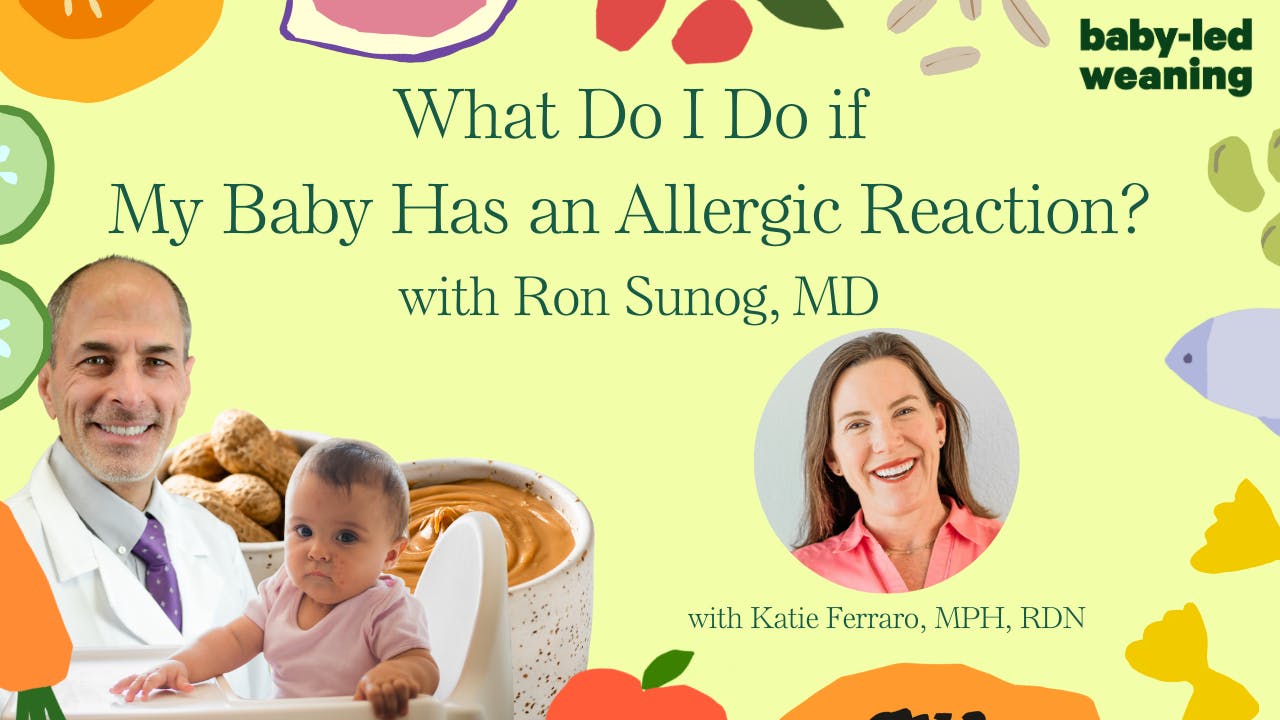
About the Guest
- Dr. Ron Sunog grew up in New York, earned his MD at Boston University's accelerated six-year medical program, and completed his Residency and Chief Residency in Pediatrics at Boston City Hospital.
- He lives near Boston with his family and has been taking care of infants and children of all ages in Pediatric Practice for over thirty years. Having long had a special interest in nutrition, he was inspired by the LEAP study to create EatTheEight to inform parents about infant feeding to reduce the risk of developing food allergy.
- In 2017 he joined Puffworks as Medical Advisor to help create Puffworks baby, a better way to introduce peanuts to infants to help reduce the risk of developing peanut allergy .

Links from this Episode
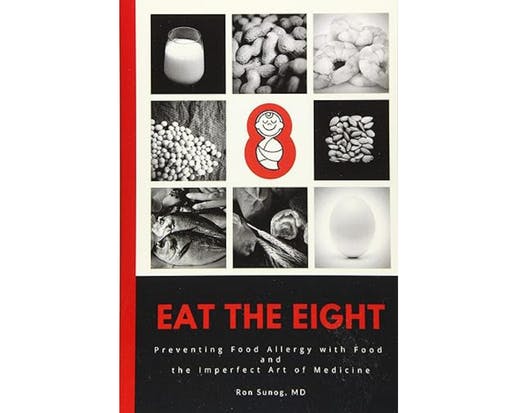
- Read Dr. Sunog’s Book EAT THE EIGHT BOOK: Preventing Food Allergy with Food & the Imperfect Art of Medicine available on Amazon here
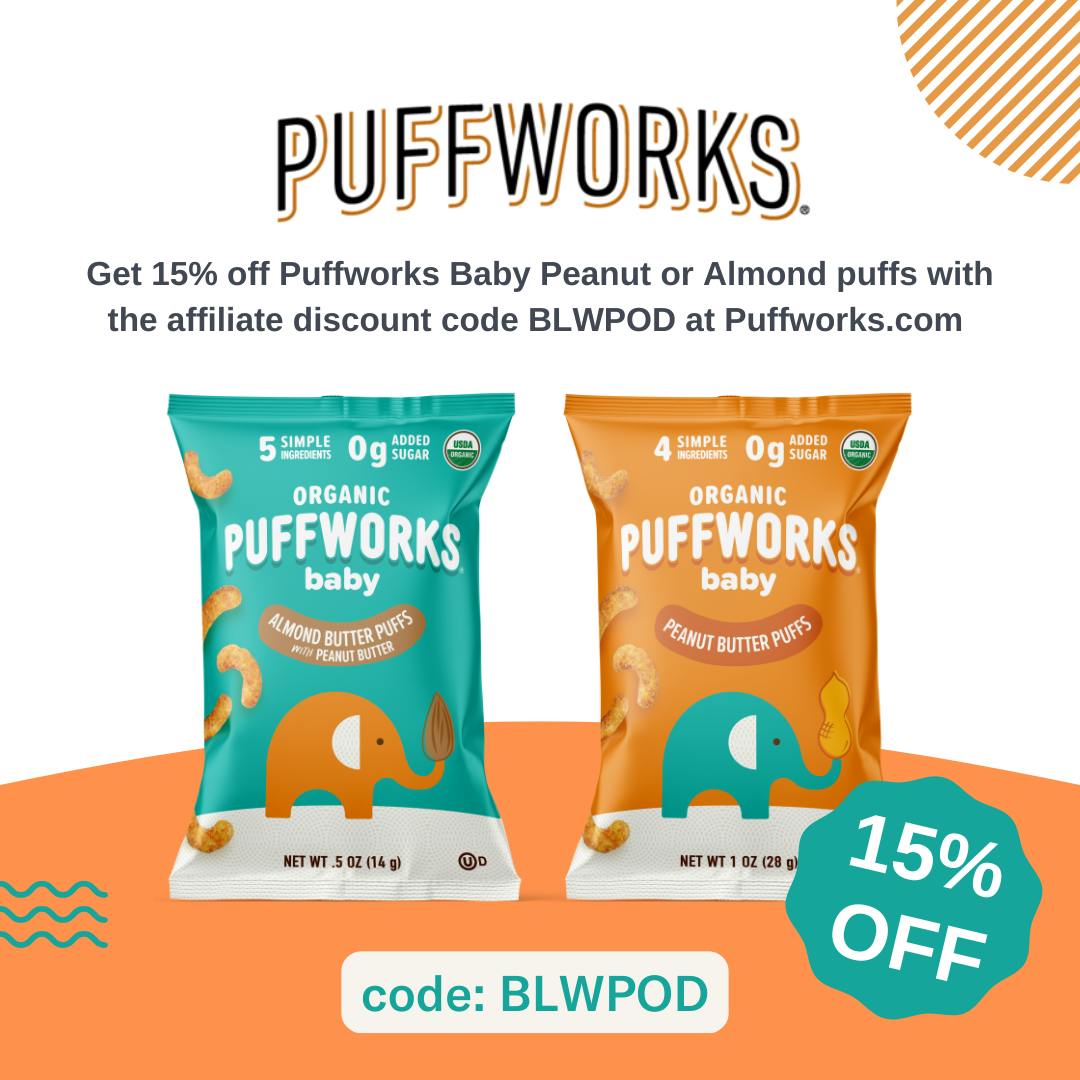
- Get 15% off Puffworks Baby Peanut and Almond baby puffs for trying peanut and tree nut protein with the code BLWPOD when you shop here
SHOP PUFFWORKS BABY - CODE: BLWPOD
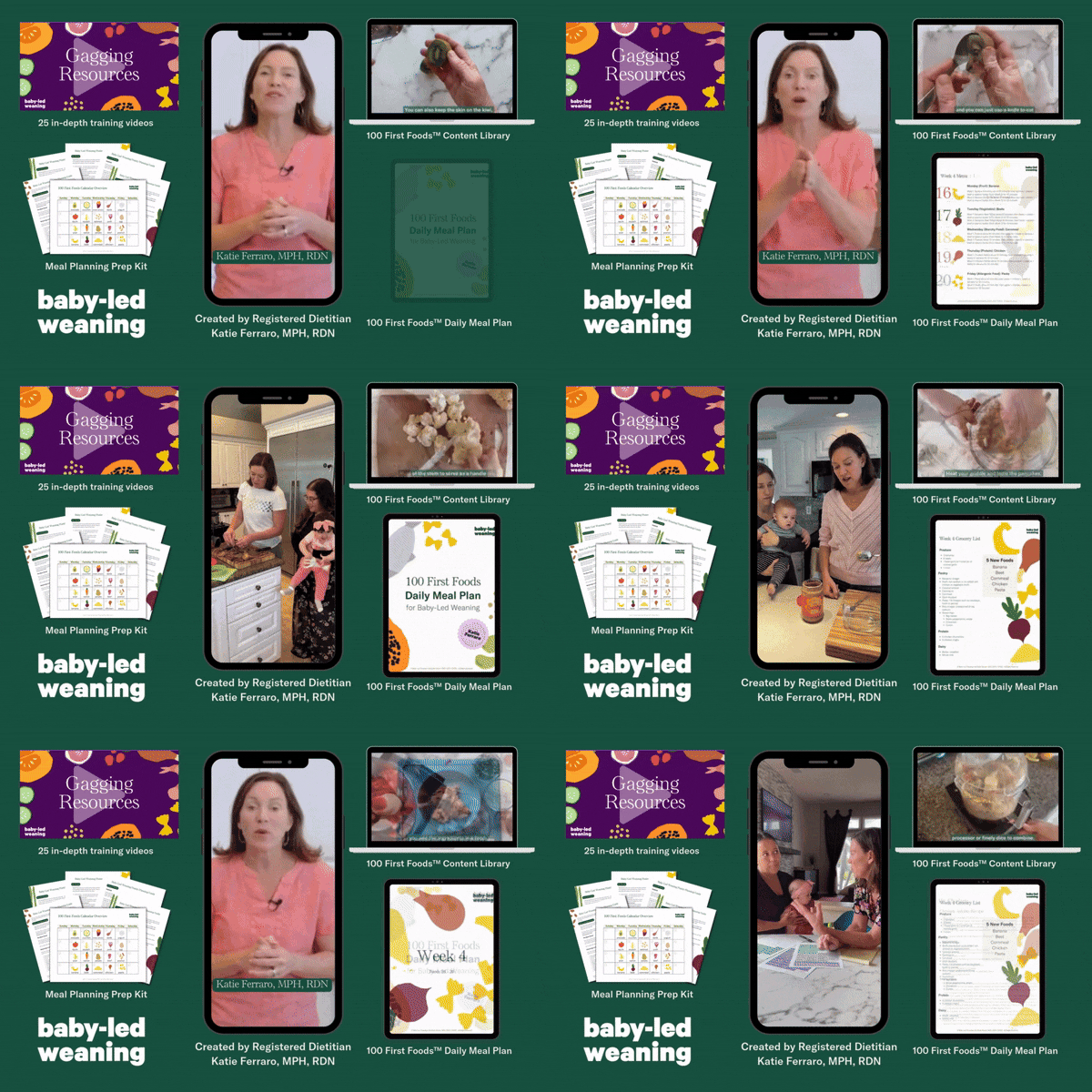
- Baby-Led Weaning with Katie Ferraro program with the 100 First Foods™ Daily Meal Plan, join here: https://babyledweaning.co/program
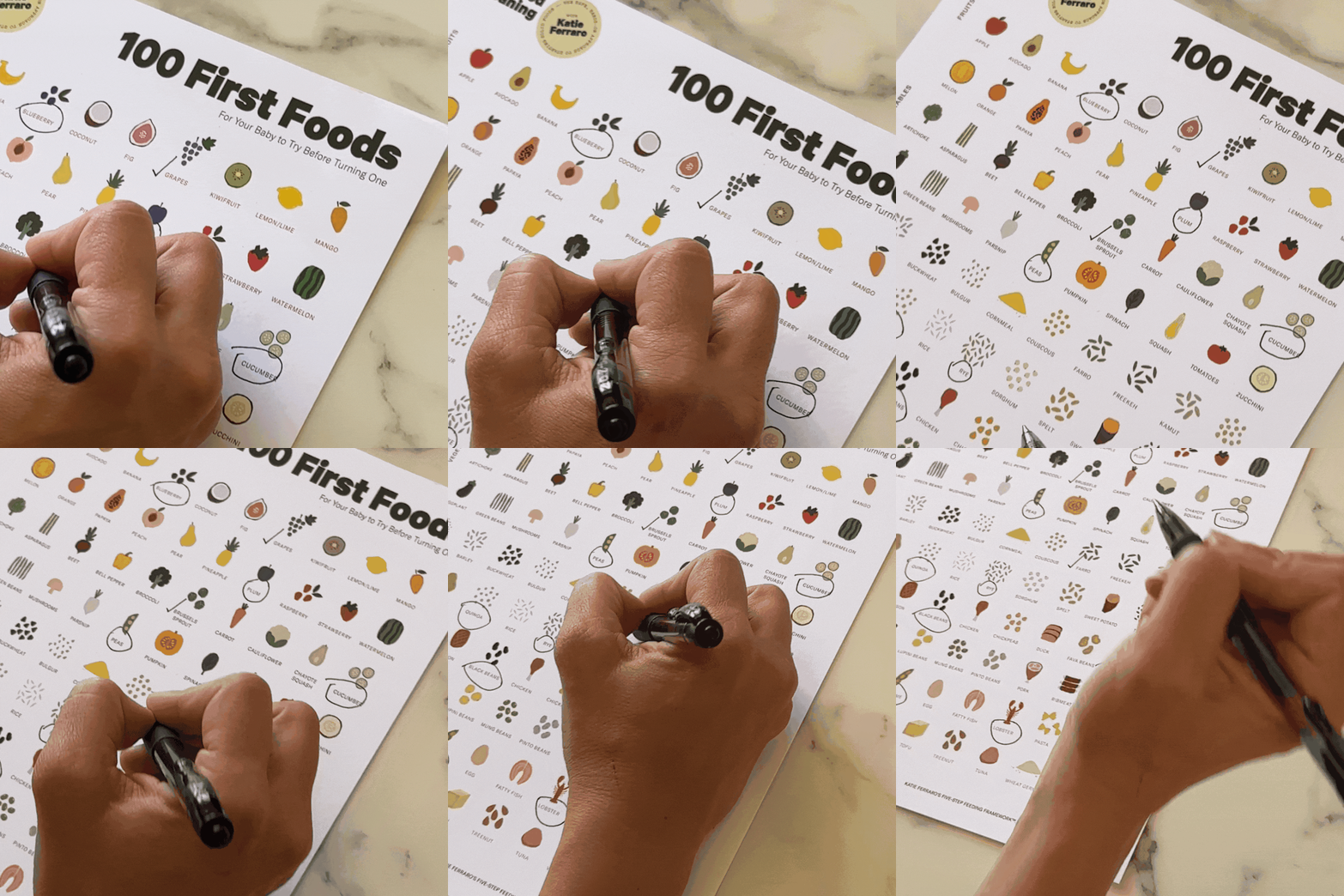
- Baby-Led Weaning for Beginners free online workshop with 100 First Foods™ list to all attendees, register here: https://babyledweaning.co/baby-led-weaning-for-beginners
Other Episodes Related to This Topic

Latest Episodes

Sierra (0s):
At Sierra, discover great deals on top brand workout gear, like high quality walking shoes, which might lead to another discovery. 40,000 steps baby who's on top now? Karen, You've taken the office. Step challenge a step too far. Don't worry though. Sierra also has yoga gear. It might be a good place to find your zen. Discover top brands at unexpectedly low prices. Sierra, let's get moving.
Dr. Ron Sunog, MD. (26s):
Feeding peanut protein to infants early and often decreased their risk of developing peanut allergy. Starting under age 11 months, eating two grams of peanut protein three times a week. Up Page five was protective against peanut allergy. Hey
Katie Ferraro (42s):
There, I'm Katie Ferraro, registered dietitian, college nutrition professor and mom of seven specializing in baby-led weaning. Here on the Baby-led weaning with Katie Ferraro podcast. I help you strip out all of the noise and nonsense about feeding, giving you the confidence and knowledge you need to give your baby a safe start to solid foods using baby-led weaning. Alright, it's time to talk about food allergies and babies and in particular, what do you do if your baby has an allergic reaction to food? Because it's a scary idea, right? You're offering all these new foods to your baby and there's the potential that one or more of those new foods might cause an allergic reaction in your beautiful little baby.
Katie Ferraro (1m 24s):
But here's the deal. The only way to know if your baby's actually allergic to a food is to offer them that food. And my guest today knows a ton about using real food to help prevent and lower the risk of food allergy down the road. His name is Dr. Ron Sunog. He's been a good friend and colleague of mine since I think we've been working together since 2020 to the point. We went and developed a whole program together about how to introduce potentially allergenic foods to babies. Okay? That's how much I love working with Dr. Sunog. And one of the most common questions we got from parents along the way was, well, what if these allergic foods that I'm doing, what if they do cause an allergic reaction?
Katie Ferraro (2m 6s):
Then what do I do? Do I go to the er? Do I do this stuff at home? So Dr. Sunog is gonna break it all down for you. He's a board certified pediatrician and a food allergy expert. He's the author of a book called Eat the Eight, which prior to sesame joining the list of the Top Allergens, the Big eight, those were the eight most common foods that accounted for about 90% of food allergy in North America. Since then, sesame has been added to the list, So we now call them the top nine. But when we originally recorded this interview, there were just eight. So please just know that Sesame has now hit the list too. There are a few COVID era references in our conversation 'cause it was recorded a while back, but the overarching message is the same.
Katie Ferraro (2m 47s):
Okay, the only thing you can do to reduce your baby's risk of food allergy is to offer these foods to your baby early and often. But I know you're wondering, okay, in the rare event that my baby does have an allergic reaction to food, what do I do? Dr. Sunog is going to guide you through the appropriate steps that you can take to take control of the situation. I highly recommend Dr. Sunog is book, it's called Eat the Eight. It is a great read. It is all about the history of food allergy, it's about our understanding of it and education and the science for disclosure purposes. Dr. Sunog is an advisor to Puff Works. They're the company that makes the baby peanut and baby almond puffs that many parents use for introduction of peanut and tree nut protein.
Katie Ferraro (3m 33s):
I am an affiliate for Puff Works. Also myself. I personally do not love using peanut or nut butters and on their own they can be definitely too sticky and a choking hazard for early eaters. So I use the Puff Works Baby Peanut and Puff Works, baby Almond Puffs for no stress, low mess allergen introduction. You can get 15% off Puff Works baby puffs with the affiliate code BLW pod@puffworks.com. If you wanna check them out, I'll link to Dr. Sunog is book in our allergy program. In the show notes if you go to blwpodcast.com/58. And with no further ado, here is Dr. Ron Sunog talking all about what to do if your baby has an allergic reaction.
Dr. Ron Sunog, MD. (4m 17s):
I'm honored. Thanks.
Katie Ferraro (4m 18s):
Alright, so our parents know and caregivers who are listening that we've kind of gotten through, you gotta introduce the potentially allergenic foods early and often so they understand the importance of that. But what I'd like to focus on today is talking a little bit about what should parents be prepared to do in the event that baby does have a reaction to food. Any general guidance for us there?
Dr. Ron Sunog, MD. (4m 41s):
You know, first I'll just say the chance of a reaction is low. So when introducing new foods in general, there's no reason to be anxious about that. But the chance isn't zero. Some children, some infants will react. I would have Benadryl at home available and I would recommend that prior to introducing solids, you talk to your pediatrician about you know, specifically when to give it and what the dosage should be.
Katie Ferraro (5m 6s):
Okay, Can we talk a little bit about Benadryl because parents hear about that and people often talk about baby Benadryl, but then when you go to the store there's no such thing as baby Benadryl. There's Children's Benadryl. The recommendation on the package is don't use for kids under two. So parents are like, I'm not gonna do any of this allergen stuff 'cause I don't even know what I would do if they had a reaction. Can you talk about children's Benadryl and it's use in infants?
Dr. Ron Sunog, MD. (5m 27s):
Almost every bottle of Benadryl you'll see will be the same dosage, 12.5 milligrams in five mls, which is about a teaspoon. There is one brand I found that's a different concentration. I've never heard of it prior to looking it up and I've never seen it anywhere. So the common Benadryl you'll find specifically if it's named Benadryl or the generic diphenhydramine, it'll be 12.5 milligrams in five mls. Like all cold medications, they are not recommended in general in children under six. And I would agree with that. In general, when you're talking about treating colds, there's generally no use for that and it's considered more of a contraindication in children under two.
Dr. Ron Sunog, MD. (6m 10s):
So again, it shouldn't be used routinely. Also, although Benadryl can make you drowsy, it should not be used for sleep in children. So I would avoid that. And it is actually interesting that in children and young children it often does not sedate them and in fact can make them hyper. So it's not a good idea in any event. So now when we're talking about children to and under or one and under, again, I think it's worth having at home in case you need it. And I think for specific dosing at that age, again, talk to your pediatric provider when you go to your visit and talk about specific dosing. But I think it's a good idea to have at home, have on hand in case you need it.
Katie Ferraro (6m 50s):
And I also usually remind parents that the Benadryl dosing will be based on your baby's weight. So it is a good idea to know your baby's weight and if you're not able to go to the pediatrician, it is something that they will sometimes share over the phone. Okay, based on this weight, here's the recommended dose. Just in the event that there is a reaction.
Dr. Ron Sunog, MD. (7m 8s):
Absolutely.
Katie Ferraro (7m 9s):
Okay. Dr. Sunog, could you share a little bit about which foods would babies be more likely to have a reaction to?
Dr. Ron Sunog, MD. (7m 17s):
You can react to most anything, but there are eight foods that cause the vast majority of reactions. They are known among allergists and pediatricians as the big eight. And I'll just go over them and I can give you the approximate percentage of the amount of allergy they cause in children. Number one is peanut, about 25% of food allergy in children is to peanut about 21% to milk, about 17% to shellfish, 13% to tree nuts, about 10% to egg, 6% to fish, 5% to wheat, almost 5% to soy. So those are the big eight. There is a ninth that's close to the big eight, that's sesame.
Dr. Ron Sunog, MD. (7m 59s):
Sesame allergy is become somewhat more prevalent in the last few years. At some point we may be talking about a big nine, but it's still referred to as the big eight
Katie Ferraro (8m 7s):
And I know that the name of your book is Eat the Eight. And we also talk about the big eight plus sesame. If they really change it in sesame become, 'cause I know like in Canada isn't Sesame one of the big nine, they're already there. If we change it in the US you have to change the title of the of your book.
Dr. Ron Sunog, MD. (8m 20s):
Yes. In my, in my book I even suggested if Sesame comes on, it goes from Eat the eight to a NA to nine. Awesome.
Katie Ferraro (8m 26s):
All right. You're prepared, I love it. Would you recommend, or would you give us the list of the big eight allergens and you were saying like in what order and peanut was first, is that ranking infants or did was that all children? I know sometimes the data's hard to say which one's the most common 'cause are we talking about kids or kids under one? That's
Dr. Ron Sunog, MD. (8m 43s):
All children.
Katie Ferraro (8m 43s):
Okay. So is it different for infants like for six to 12 month olds, is milk allergy more prevalent than peanut or is the list pretty much in the same order?
Dr. Ron Sunog, MD. (8m 51s):
Yeah, that's interesting. So I would think that it would be somewhat different for infants just based on what infants are going to eat. So for example, shellfish and fish allergy I think generally comes later if for no other reason than children tend to eat that later. Milk is something that infants will get exposed to either through formula or certainly you know, later in the first year of life through foods like yogurt and cheese. So it'll depend partly on being exposed to the food, trying the food.
Katie Ferraro (9m 22s):
And I think what's also hard when you're trying to interpret that data is a lot of it's based on self-report. So what a parent might think an allergic reaction is versus what may have actually happened it, it might be a little bit different. But regardless, we do know that the majority of food allergies come from those eight foods plus sesame. Hey we're gonna take a quick break but I'll be right back.
OSEA (9m 45s):
As a dietitian with chronically dry skin, I'm also a big believer that what you put on your body is just as important as what you put in your body. And you know how some days your skin just feels thirsty, like it's begging for something more than lotion. I have that kind of skin where lotion just isn't gonna cut it. Actually I remember when I was in high school, there's this girl in my current events class and she leaned across the aisle to my desk and she said, you know, if you put lotion on your hands they wouldn't look like that. And I was like, I do put lotion on my hands, I just need more than lotion and I now use something more than lotion. I've recently been using OSEA's hyaluronic body serum. Now this is not your average skincare product, it's literally like a tall glass of water for your skin and it soaks in immediately. So I put it on right after I shower. I do it every morning and every night and my skin just drinks it up. It's very lightweight, it's cooling honestly. It makes my skin feel refreshed in a way that no lotion I've ever met can do. So this is like very fast absorbing. It's this lightweight body serum. And what's cool, it's been clinically shown to instantly boost your skin's hydration by 161%. So it improves your natural moisture barrier. And I've got visibly smoother skin. The hero ingredient here is the hyaluronic acid. So OSEA blends three different weights of it. So it hydrates deep and locks in moisture all day. I've been using it under the undaria algae body oil and that combo total game changer for my skin. As always with OSEA products, they're clean, vegan, cruelty free and climate neutral certified. Their ingredients come from the ocean and they take care to protect it. I love knowing that what I'm putting on my body is good for me and for the planet. You can get healthy glowing skin for this season of your life with clean vegan skin and body care from OSEA get 10% off your first order sitewide with the code weaning. If you head to OSEA Malibu, that's OSEA malibu.com, you're gonna get free samples with every order and you get free shipping on orders over $50. So again, head to OSEA malibu.com and use the code weaning for 10% off.
Katie Ferraro (12m 7s):
When it comes to the reactions, I was wondering if you could give us some tips for like what are the signs that parents and caregivers should be looking out for to see gosh is my baby having an allergic reaction to this new food that I'm presenting to them?
Dr. Ron Sunog, MD. (12m 19s):
I'm going to start by saying that a very serious or life-threatening reaction is going to be rare. So even you know, in in the children who res who have reactions as infants and and more importantly it's more rare during infancy than it is later in life. So your risk at that age of a serious reaction is, is is unlikely. But the reactions include possibly itching, rash, the rash can be hives, it can be around the mouth or elsewhere. There can be some swelling, facial swelling, vomiting, difficulty breathing a a sort of a fussiness.
Dr. Ron Sunog, MD. (13m 0s):
And you know as it progresses in bad cases an infant or a child can lose consciousness but that would be a severe case and truly rare.
Katie Ferraro (13m 11s):
And when you mentioned that the signs of anaphylactic reaction as you were describing them are rare in infancy, is it also the case, I think I remember this from a previous conversation, that not only is it less common in earlier, so it's an advantage to introduce it earlier, but that the reaction's actually less severe early on. So like a further incentive to do these foods early would be that the reaction is potentially less severe. Is that correct?
Dr. Ron Sunog, MD. (13m 34s):
Yeah, that is correct. So first I'll say you know regarding the word anaphylaxis, people do use that in different ways. Technically anaphylaxis is simply having any two of those symptoms, so more than one symptom. So for example, if a child has rash and vomiting, that is technically anaphylaxis but if it doesn't go any further, that is certainly not life-threatening. When people hear the word anaphylaxis they think of something much more severe. And again it can be but it in most cases are not. So yes, during infancy the chance of anaphylaxis is lower and the chance of fatal anaphylaxis is lower.
Katie Ferraro (14m 9s):
Do some reactions go away on their own or will all require some sort of medical intervention?
Dr. Ron Sunog, MD. (14m 14s):
The short answer is yes. My guess is a lot more go away than we're aware of because for example, an infant can have a reaction that consists entirely of just fussiness. So you know, infant can try a food can just be fussy from it and that goes away and, and you can imagine that parent is likely not going to seek medical attention or report it to anyone. But yes, they can go away on their own. Okay.
Katie Ferraro (14m 38s):
When you mentioned some of the reactions, I know recently on Instagram we were doing a lot of awareness about food allergies and there was a mom who she had tried like 50 new foods with her baby and she has an older child who'd had, has a number of food allergies including most of the tree nuts but also mustard seed, which I thought was interesting. I know that's not as common but I certainly hear about it more frequently than I used to. But this baby on her like 56th food the baby, so the younger sibling had a reaction and it was to tilapia. So the mom had actually tried fish previously, which was interesting and the baby's hands got really swollen and the family is black and the mom was sharing pictures and she was telling, she's like, you know, you need to do a better job of showing how reactions actually look different on different skin tones.
Katie Ferraro (15m 25s):
And she said, on my baby I don't see anything on her skin. But a second is the hand starts swelling. I noticed that 'cause my first daughter had that with reaction. I was just curious if you see that sometimes where the reaction occurs, not on the first but on subsequent exposures. And then second question, for babies of different skin colors, does the reaction look different?
Dr. Ron Sunog, MD. (15m 43s):
So I'll ask you the second one first. Absolutely different skin color rashes can be easier or more difficult to see. So that absolutely can be an issue. I'm sorry, repeat the first question again.
Katie Ferraro (15m 56s):
Oh, my other question was is it usually the case in your experience you work in this field day in and day out that a baby is having the reaction on the first exposure, like that baby had had salmon no problem, but then with tilapia subsequent exposure they had a reaction?
Dr. Ron Sunog, MD. (16m 11s):
Yeah, so there's sort of two parts to that. One is having had one kind of fish does not guarantee you won't be allergic to any fish. Certain foods overlap where if you're allergic to, you know for example cashew, your odds of being allergic to pistachio are higher. So that's one thing. So that's not a particular surprise that a child had one kind of fish and then reacted to another. If there's no overlap, let's say as far as a having had a reaction on a burst ingestion of a food. So technically you, you really shouldn't have a reaction on first exposure to anything. But that is something that gets reported, right? So so what explains that and the answer is unknown exposure.
Dr. Ron Sunog, MD. (16m 53s):
And what that means is what you think your infant is eating for the first time. There might have been some very small amount, let's call it even microscopic in some other food or they were simply exposed in the environment. Most pointedly, like I talk about a lot in my book 88 exposure through the skin. So if there's food in a house, there can be residue of that food in the dust in the house and and the child can get, an infant can get exposed that way. So when they're then eating the food for the first time, they've actually been exposed to it before.
Katie Ferraro (17m 25s):
Yeah because I know parents will say that's not true. The first time my baby had for example eggs, they blew up, they had all these rashes, vomiting, etc. What Dr. Sunog is saying is that may not have essentially been the first exposure. So just be aware of that. 'cause I think sometimes, especially with the less commonly consumed foods like shellfish, parents will try crab and they're like, all right, knock that off the list. We did crab once the baby's had it, they're not allergic to it. But that might have truly been the first exposure where we wouldn't anticipate seeing the reaction. So we encourage parents to feed these foods early and often. And I was wondering Dr. Sunog, if you could just expand on that because when parents hear early and often their next question is how much over what period of time of these different allergenic foods should we be feeding?
Dr. Ron Sunog, MD. (18m 5s):
That takes me back to the base study, the LEAP study that in 2015 showed that Feeding peanut protein to infants early and often decreased their risk of developing peanut allergy. So the specific data from that study showed that Starting under age 11 months and then eating a peanut food, two grams of protein, peanut protein three times a week up to Page five was protective against peanut allergy. So that's very specific information talking about peanut again specifically is that the exact right amount? Well that study proved that that amount worked would less work. Would you know something less than two grams three times a week work?
Dr. Ron Sunog, MD. (18m 47s):
We don't know. And I can promise you if you need the results of a study to prove it, we will never know because no one's going to repeat that study with less peanut protein. And then as far as other foods go, there are no specific amounts that anyone can point to from a study. Studies have shown that early introduction of other foods decreases the risk of food allergy, but the how much, how often, hard to say, which is why most people say early and often.
Katie Ferraro (19m 15s):
So it's like purposely ambiguous. It's frustrating as a parent, especially if you're like type A like B and you wanna know the number of grams and how often. But I love that you're just reminding us you're not missing anything. That guidance is not out there,
Dr. Ron Sunog, MD. (19m 26s):
Right? It's unknown. So my recommendation would be you, you do your best with it. You try to introduce a lot of foods, you try to feed them repeatedly, you don't get the idea. You know you mentioned earlier, you know child eats crab, they didn't react, cross it off the list. Number one, you can't cross it off the list and say my child will never be allergic to crab. And number two, if your intent is to decrease their risk of developing allergy by feeding it early, it's not a one and done thing. Yeah,
Katie Ferraro (19m 54s):
Don't forget the often part of early and often. So you mentioned the LEAP study. So that's learning early about peanut allergy and from that study we've kind of had a shift in what we now know constitutes high risk for peanut allergy. So would you mind sharing what is it that makes a baby at high risk for peanut allergy? Based on that and other recent research,
Dr. Ron Sunog, MD. (20m 16s):
When You're studying anything, you need a population that's selective enough that you're going to see results without having to test thousands or tens of thousands of people. So the LEAP study wanted to find a population of infants where they knew that their risk of developing peanut allergy was relatively high. So that if kids got peanut early, during infancy early and often and they didn't develop peanut allergy, somebody couldn't say, well the odds were so low anyway. So they took kids who had either egg allergy or severe eczema because those infants with those conditions are at significant risk of developing peanut allergy.
Dr. Ron Sunog, MD. (20m 57s):
And we know that if they don't eat peanut early that something like 20% will develop peanut allergy. And then they took those kids and fed them peanut and 80% fewer had peanut allergy when they ate peanut as infants. And again, early and often. Important point on that in terms of high risk, only about 3% of all kids are going to have either severe eczema or egg allergy or both.
Katie Ferraro (21m 25s):
And the key word there, in case you guys missed it was severe. I know everybody's baby has eczema, parents hear eczema, they stop listening to everything else, they're like, yep, that's my baby. We're high risk for peanut, I'm not doing this especially until COVID is over. And we see a lot of parents unnecessarily delaying the introduction of these potentially allergenic foods and to kind of put the guidance. In other words, if you look at all of the major health bodies, their recommendation is including the American Academy of Pediatrics, is that there's no benefit to delaying the introduction of these foods. We used to think, oh if you wait until after one to do egg whites, your baby will have a lower risk. We now know none of that is true. No benefit to waiting. So you should be doing it early and often if you're not already convinced to do so.
Katie Ferraro (22m 7s):
So Dr. Sunog, I wanna switch gears and talk more to, and again I identify as a type A parent, like very nervous about introducing new foods and allergenic foods and especially in the time of COVID when we don't have such regular access to medical care. You don't just saunter into the pediatrician's office like you used to and you graciously did a whole separate episode for us on is it safe to introduce allergenic foods during COVID and you guys, I'm gonna link to that episode in the show notes for this episode 'cause I think it's important to listen to it 'cause the guidance is a little bit different if you can't go to your pediatrician. And so if you go to the show notes for this episode, it's at blwpodcast.com/58. I'll link to Dr.
Katie Ferraro (22m 47s):
Sunog previous episode about COVID. But right now, okay, parents wanna take precaution. Should they get an EpiPen like my baby's not at high risk but I'm thinking about doing peanuts. Can I call my pediatrician and get an EpiPen just in case there is an anaphylactic response?
Dr. Ron Sunog, MD. (23m 2s):
So again, the short answer, no. So speaking of the high risk kids, so it, it seems like a dilemma, right? You've got a high risk infant and you know if you feed them peanut, there's a certain chance they're gonna react. And again, they could react on that first known exposure because there's probably been unknown exposure. And what I mean by that is if this child, particularly if they have eczema, if there's peanut in the household and something like 95% of households have peanut butter, there will be peanut in that infant crib in the dust, you can almost guarantee it. So you've got a high risk infant and you know that they have a high risk, less than 50%, like I said about 20% of reacting to the first time you give them a peanut food.
Dr. Ron Sunog, MD. (23m 46s):
But here's the dilemma, if they're in the 80% who won't react on that first ingestion of peanut, if you don't give them peanut through infancy, as they get older, they have a higher chance of becoming peanut allergic. So you wanna give it to them. So what do you do? Well one choice is to just give it to them. I'm not saying I recommend that, but they're experts who do because of something we spoke about earlier. And that is what is the risk they're going to have if they should have a reaction, a very serious or life-threatening reaction? And the answer is almost zero. Okay? So even though there's a significant chance they'll react because they're high risk, there's an almost 0% chance it's going to be life-threatening experts recommend.
Dr. Ron Sunog, MD. (24m 28s):
What I agree with is those infants should be tested first in the age of COVID. How do you do that? Well you have two choices. There's a skin test and a blood test. The skin test is a scratch test. You can still do that. That'll be done at the allergist's office. You know, I've talked to your pediatrician and they'll presumably send you to the allergist. So that's one way to do it. But if you want to avoid the office because of COVID, although my guess is you're not seeing a lot of COVID patients in allergist's office like you might in the ER for example, you can do a blood test again, you would have to go to the lab and going out and about. There is certainly some risk, but I I would say, you know, that can be done safely and you get a lab test. And so if you show that your infant is not allergic, even though they're high risk, you absolutely should give that infant peanut food early and often.
Dr. Ron Sunog, MD. (25m 15s):
Okay,
Katie Ferraro (25m 15s):
What about for parents? The ones who ask, okay, should I go and drive up in front of the emergency room and test the potentially allergenic food there with the notion being if there was a reaction, I'm right next to emergency medical care. Is that advisable for not even your high risk, just your general run of the mill parents
Dr. Ron Sunog, MD. (25m 32s):
For your not high risk? There's of course some risk of allergy of allergic reaction to peanut or any of these foods, but the risk is so low. And again, the risk of something serious happening that you can't handle by say driving to the emergency room after it, you know the reaction. I would not advise it. And I would say, you know, there isn't any expert who advises that foods. You should think of foods as being safe to introduce at home. Hey,
Katie Ferraro (26m 3s):
We're gonna take a quick break, but I'll be right back.
LinkedIn (26m 12s):
Race the Rula, raise the sails. Raise the sails Captain. An unidentified ship is approaching over Roger. Wait, is that an enterprise sales solution? Reach sales professionals, not professional sailors. With LinkedIn ads you can target the right people by industry job title and more. We'll even give you a $100 credit on your next campaign. Get started today at linkedin.com/results Terms and conditions apply.
Katie Ferraro (26m 45s):
Okay, I wanna circle back if you don't mind one more time. Could you do a run through of the signs of an allergic reaction and maybe talk about which ones are more indicative of a reaction or not? Like I see parents, the baby tried tomato, there's a topical rash around the face, it goes away in an hour and they think their baby's allergic to tomatoes. So could you maybe just clarify what the signs of a severe allergic reaction are versus a mild one?
Dr. Ron Sunog, MD. (27m 8s):
Severe is when you see a lot of swelling and rash, particularly not around the mouth. So it becomes sort of a full body event along with any difficulty breathing and vomiting. That is more concerning If it's rash alone, that's generally not that concerning. In any of these events, you should call your doctor and you know, potentially be evaluated. Certainly with the severe reaction you should and with the severe reaction. If you give an infant food and and they start vomiting and having difficulty breathing, you go to the emergency room. In terms of really mild events, something that comes up pretty frequently is this thing called oral allergy syndrome, which is a local reaction, just the mouth lips and that reaction almost never spreads to anywhere else.
Dr. Ron Sunog, MD. (27m 59s):
And it occurs with eating certain foods, lots of fruits, some vegetables that have overlapping allergenic qualities with certain environmental allergies. For example, if you're allergic to birch tree pollen, you could react when you eat an apple or cherries and other foods. That's very localized. Again, almost never progresses to something more severe and that's a different thing. Certainly a parent would not be expected to differentiate between these things at home. And really just look at how, you know, how sick does my infant look? And again, if it's difficulty breathing, vomiting, go to the emergency room.
Dr. Ron Sunog, MD. (28m 39s):
If it's rash, call your doctor.
Katie Ferraro (28m 41s):
You say that and you're a pediatrician so you know, but I get messages all the time like my baby had eggplant, I know it's in the nightshade family, I know it's potentially related to this one. I was like at, at this point you really should be consulting an allergist, not a dietician to ask about how food allergies manifest. Because just 'cause you're allergic to one thing in one family doesn't necessarily, you'll mean you'll be to another. And like for with tree nuts, we see so many babies who are allergic to some tree nuts, but not all. Again, as with many things in child development, each baby is unique. So it is always a good idea to be assessed by the appropriate professional first year pediatrician who may then refer you to an allergist who then specializes in food allergies for children. So Dr. Sunog, thank you for all this fabulous information.
Katie Ferraro (29m 22s):
For parents who wanna learn more about using food to introduce early and often and help prevent food allergy. Where can they go to learn more?
Dr. Ron Sunog, MD. (29m 30s):
You can certainly go to my book, eat the Eight. It has a lot of information about the wrong advice we gave before, the right advice we give now and why and it talks about to and what those reactions are. And you know, I try to talk to pediatricians about this and encourage them. In fact, interesting. I have a new nurse practitioner at my office and just talked about it yesterday and it was all news to her. So I'm always happy to spread this information to to people who haven't heard
Katie Ferraro (30m 2s):
It. And I think it's important because I work very often with parents who will say, and then they will literally state the exact same guidance, which was what I learned when I was studying to be a dietician 25 years ago. And I said that that information that your pediatrician just provided you is at least 25 years old. And we now know that we actually do the opposite. 'cause we used to wait much longer to introduce these allergenic foods. And that's one thing I love about your book Eat the Eight, is that you go through the history of the guidance and the recommendations and that how for many years, a lot of it was just based on folklore And we passed it down, wait until, for example, one year to do egg white. But now we're looking so much more at the evidence that guides these recommendations.
Katie Ferraro (30m 44s):
But it is important that pediatricians are up on that as well. So thank you for educating not only parents but our pediatricians as well. And you guys, you can grab Dr. Sunog book@eattheeight.com, that's EIGHT.com. He has a lot of other fabulous resources on his site for introducing these foods early and often in order to prevent food allergy. Again, that's eat the eight.com and I'll link up everything we talked to talked about today in the show notes@blwpodcast.comforward/58. Dr. Sunog, thank you so much for taking the time to answer all of our parents and caregiver questions about what we do if our babies have an allergic reaction.
Dr. Ron Sunog, MD. (31m 21s):
My pleasure.
Katie Ferraro (31m 23s):
Well, I hope you guys enjoyed that interview with Dr. Ron Sunog. He has such a wonderful way of distilling what I think sometimes can be complicated information like taking all of the allergy guidelines and boiling it down to like, what does that mean for me as a mom or a dad or a caregiver or a grandparent when I've gotta be introducing these allergenic foods early and often. And remember, the only thing you can do to lower your baby's risk of food allergy down the road is to offer those allergenic foods early and often. If you wanna check out Dr. Ron's book, it's called Eat the Eight. If you wanna check out our program, it's all about introducing allergenic foods. I'll link to that in the show notes@blwpodcast.com/58
Puffworks (31m 59s):
The company that we both work with is called Puff Works that then makes the puff works, baby peanut and almond puffs that make no stress, a low mess easy way to introduce your baby to peanut and tree nut protein. If you wanna check out those puffs, if you go to puff works.com, the code BLWPOD, so B-L-W-P-O-D always works for 15% off. You can actually get a case now that's half baby peanut and half baby almond. You don't do 'em together. You do the peanut one first and once you're assured that your baby doesn't have peanut allergy, then you can try the tree nut one. 'cause there are traces of peanut in the tree nut one. But a cool thing about that is you're reintroducing that peanut protein. So check those out@puffworks.com. The code is BLWPOD
Katie Ferraro (32m 39s):
a special thank you to our partners at AirWave Media. If you guys like podcasts that feature food and science in using your brain, check out some of the podcasts from AirWave Media. We're online@blwpodcast.com. Thank you so much for listening, and I'll see you next time.
ESPN (33m 1s):
New season, new chaos in college football. Let's go. Big stage, big opportunity. This Labor Day weekend wildness lives on A-B-C-E-S-P-N and the all new ESPN app. What a way to start featuring top 10 teams like Clemson, Notre Dame, Alabama, and LSU, and Bill Belichick's debut at North Carolina. It's so special these teams collide. Don't miss a lineup filled with electric matchups. Welcome back to College Football Kickoff week, presented by Modelo Labor Day weekend on ESPN and A BC. Also available to stream on the all new ESPN app.
The Program Baby-Led Weaning with Katie Ferraro
A step-by-step digital program for starting solid foods safely and navigating the original 100 FIRST FOODS™ meal plan with baby-led weaning.
 EXPERT-LED, PROVEN APPROACH TO EATING REAL FOOD
 CONCISE VIDEO TRAININGS TO MASTER BABY-LED WEANING
 100 FIRST FOODS DAILY MEAL PLAN WITH FOOD PREP VIDEOS
Baby-Led Weaning for Beginners Free Workshop
Is your baby ready to start solid foods, but you’re not sure where to start? Get ready to give your baby a solid foundation to a lifetime of loving real food…even if you’re feeling overwhelmed or confused about this next stage of infant feeding.
Get baby-led weaning recipes and tips delivered to your email inbox.