
Calm Baby, Safer Eating: Simple Regulation Tips Before Meals with Jennifer Berry, MS, CCC-SLP, BCS-S, CLC
- Some simple regulation tips to help your baby feel calmer and safer before meals start
- How to connect with your baby when they’re feeling dysregulated or freaked out at the table
- Why checking in with yourself is important for mealtime success, and a 2-second way to do it

LISTEN TO THIS EPISODE
Episode Description
If you feel the tension rising before mealtimes with your baby, Jennifer Berry is here to help. She’s a feeding specialist with some really simple regulation tips to help you AND your baby feel calmer and safer before meals even start. Stop focusing so much on the food and start connecting with your baby for better mealtime outcomes.
About the Guest
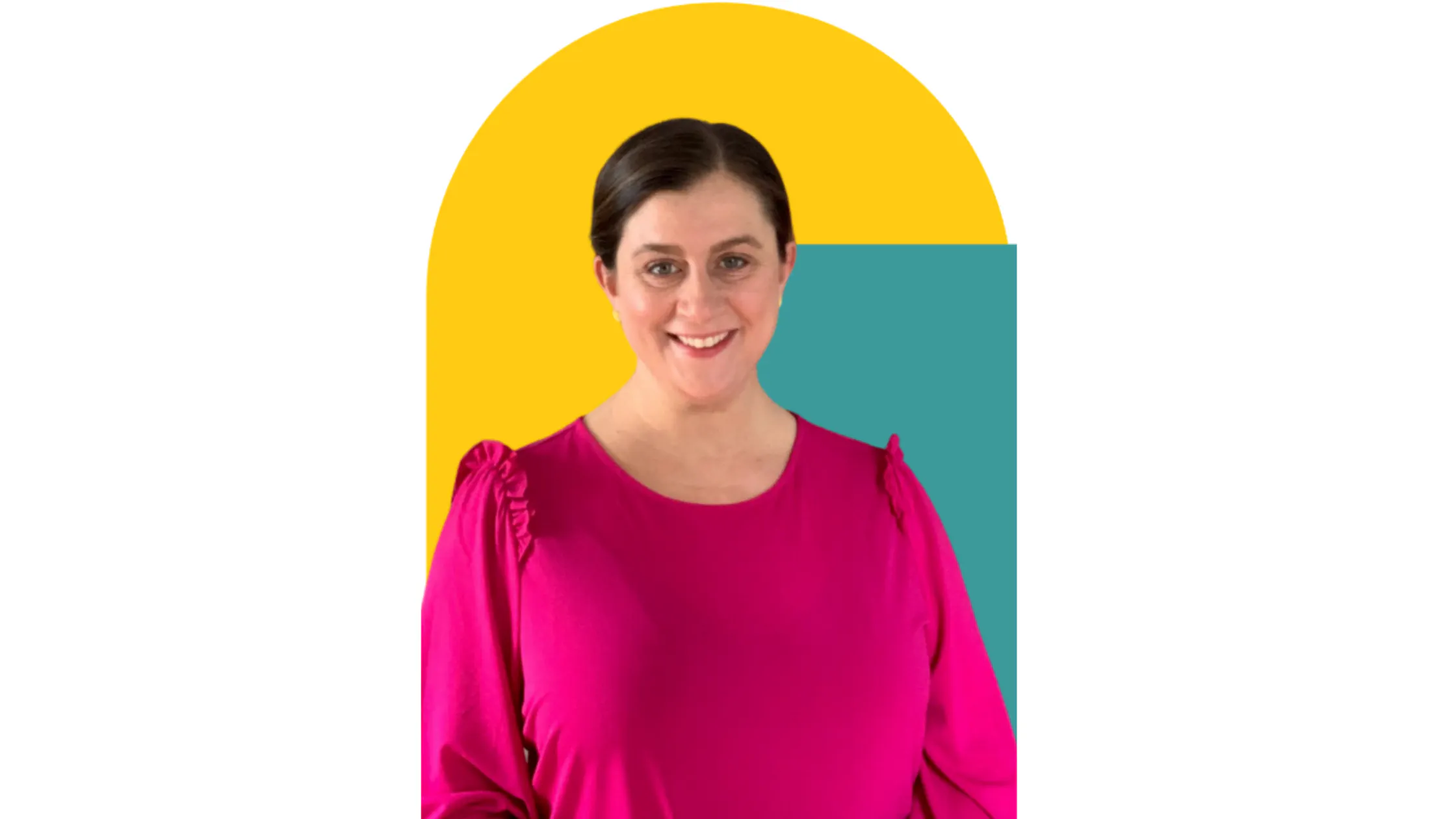
- Jennifer Berry is a feeding specialist and occupational therapist who supports families starting solid foods using a whole-body approach that considers regulation, appetite and sensory processing
- She’s a feeding therapist and mom of 3 who is known for translating clinical feeding concepts into practical, doable strategies parents can use at home and at the table.
- As a Founder of Thrive by Spectrum Pediatrics, Jennifer helps parents better understand what’s really going on beneath the surface when eating is hard so they can move forward with confidence
Links from this Episode
- Check out Thrive by Spectrum Pediatric’s Website at: https://thrivewithspectrum.com/
- Listen to the Love, Eat Thrive podcast at: https://open.spotify.com/show/00HSR3JPOhCycF9w5Wb7Pu
- Baby-Led Weaning with Katie Ferraro program with the 100 First Foods™ Daily Meal Plan, join here: https://babyledweaning.co/program and save $50 when you sign up using the code BLWPOD50
JOIN NOW AT $50 OFF CODE: BLWPOD50
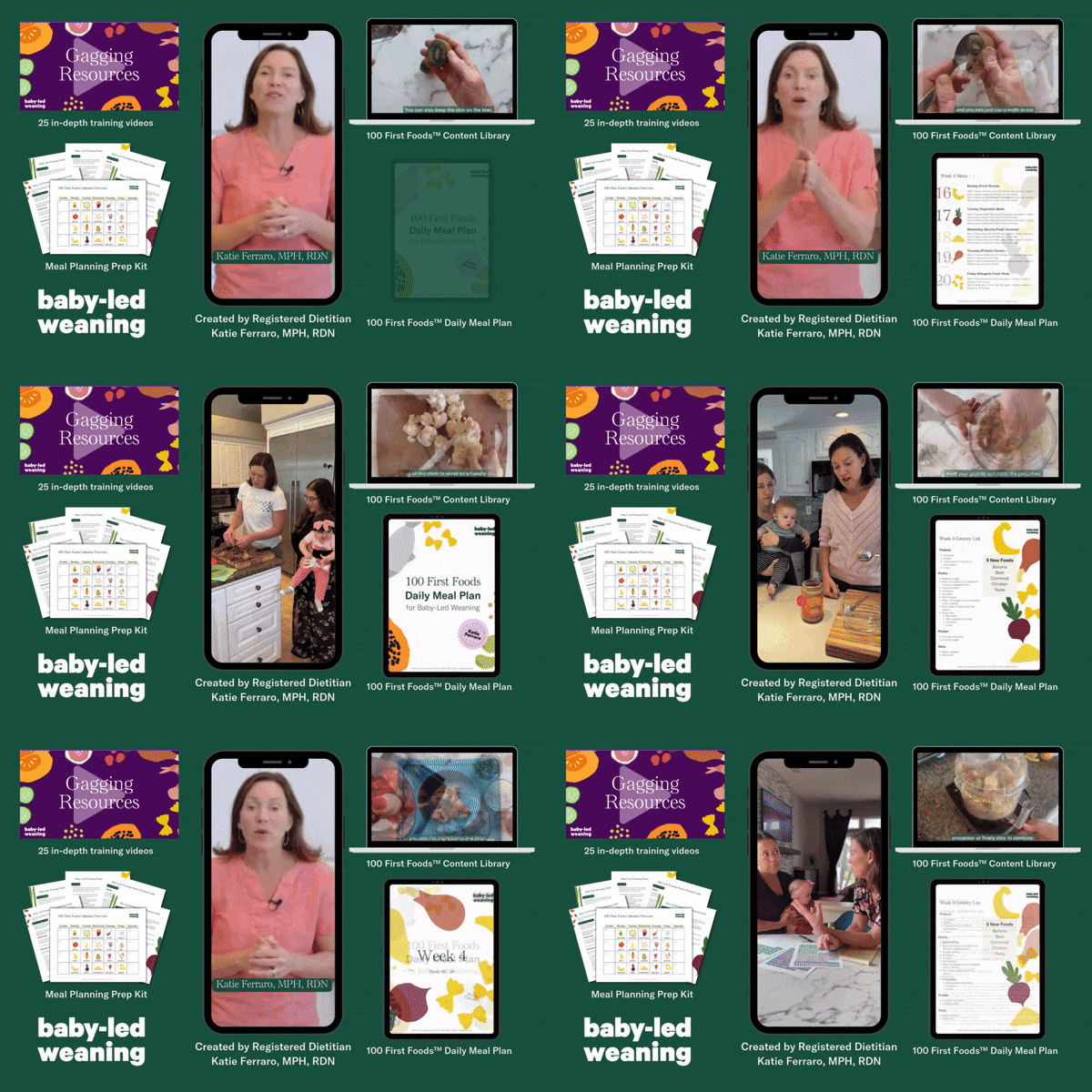
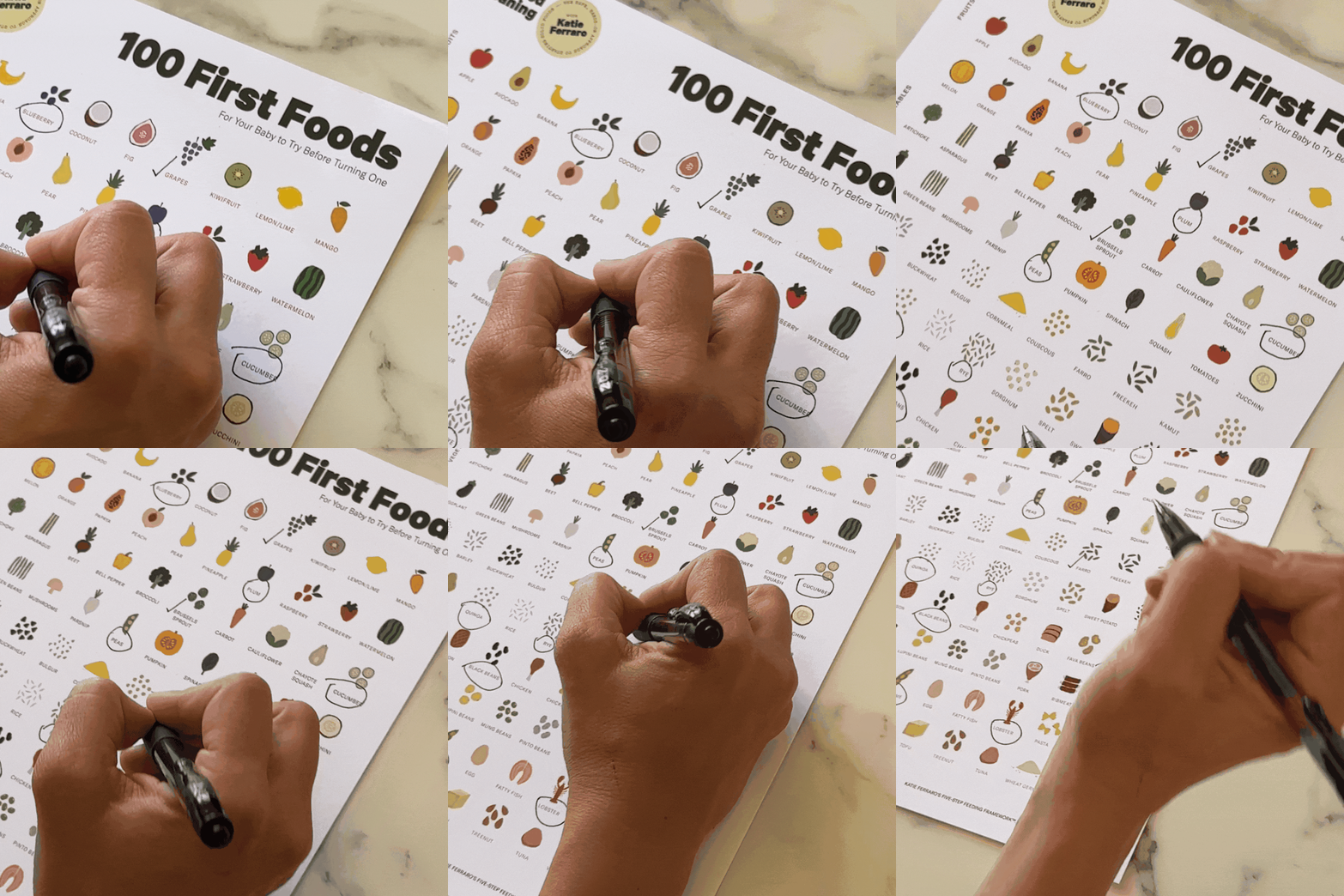
- Baby-Led Weaning for Beginners free online workshop with 100 First Foods™ list to all attendees, register here: https://babyledweaning.co/baby-led-weaning-for-beginners
Other Episodes Related to This Topic:
- Episode 50 - How Tube Fed Babies Can Become Independent Eaters with Jennifer Berry, MS, OT/L and Heidi Liefer Moreland, MS, CCC-SLP, BCS-S, CLC
- Episode 320 - Supporting Your Baby: Empathy, Readiness and Connection with Marsha Dunn Klein, OTR/L, MEd
- Episode 3 - 5 Things Parents and Caregivers Should Be Able to Do Before Starting Solid Foods

Latest Episodes







Whisker (1s):
Today's episode is sponsored by Whisker makers of the Litter Robot, the self cleaning litter box that helps take one more household chore off your plate because as a mom of seven, I know when you're in the baby phase, you've already got so much cleanup, right? You're wiping the high chair and cleaning sweet potato off the floor, getting food out a tiny little neck folds. And when people would talk about getting a cat, the thing that always stopped me was not the cat, it was the litter, the scooping and the smell and the whole like, wait, I have to touch this everyday situation Because when you have a baby at home, you are already touching enough questionable things. That is why Litter Robot by Whisker makes so much sense for busy families. It automatically cycles after every use so you're not scooping every day or handling waste the way that you would with a traditional litter box. And the big thing for me is the no contact benefit Litter Robot handles the dirty work So you are not building your day around litter box duty. The Whisker app can also notify you about your unit, like when the litter robot has completed a clean cycle or when the drawer or the litter level needs your attention. I love a system that's quietly doing its job in the background because as parents, like we already have enough tabs open in our brains. Whisker has an automatic litter box model for different types of cat families. So if you have like a single cat home, but it also goes for homes with up to five cats plus bundles that make it really easy to get fully set up while saving money, you can take an additional $50 off bundles with the code weaning when you shop Whisker dot com slash weaning. So that's an additional $50 off bundles using the code weaning when you shop at Whisker dot com slash weaning
Windows (1m 39s):
Study and play come together on a Windows 11 pc and for a limited time college students get the best of both worlds. Get the Unreal college deal, everything you need to study and play with select Windows 11 BCS eligible students get a year of Microsoft 365 premium and a year of Xbox Game Pass Ultimate with a custom color Xbox wireless controller. Learn more at windows.com/student offer while supplies last ends June 30th. Terms at aka.ms/college PC,
Jennifer Berry (2m 11s):
We tend to forget to prep kids. So what none of us wanna do is walk into a restaurant and have a wait or service our plate. We would then go to a table and sit down and be served food before we ordered, before we made AdChoices, before we felt comfortable and had a bit of a connection and conversation with our dining partner. Babies are no different. They need to be prepared for a mealtime, they need to be prepared for eating.
Katie Ferraro (2m 35s):
Hey there, I'm Katie Ferraro, registered dietitian, college nutrition professor and mom of seven specializing in baby led weaning. Here on the baby led weaning with Katie Ferraro podcast. I help you strip out all of the noise and nonsense about feeding, giving you the confidence and knowledge You need to give your baby a safe start to solid foods using baby led weaning. If the thought of sitting down with your baby to try some Solid Foods feels like a big deal, or maybe it's an anxiety inducing chore on your never ending to-do list. I get it. Parents today are armed with more information than ever and for better or for worse, that information comes with a lot of pressure.
Katie Ferraro (3m 21s):
There's the pressure to feel like you have to make the food perfectly or create the perfect plate, or God forbid your baby doesn't eat all that perfectly prepared food. But something big has been missing from the baby led weaning space for a while and that's the baby. My guest today is Jennifer Barry and she's on a mission to bring connection with your baby. Back to the table. Jennifer is a feeding specialist and an occupational therapist. She runs a large feeding therapy practice licensed in many states, but Jennifer is not your typical feeding therapist. She really takes a holistic view of the parent-child relationship and she wants to ensure that parents are connected with their babies and that those babies are calm and regulated so that they can succeed in self feeding.
Katie Ferraro (4m 11s):
So today Jennifer's here to talk about some simple regulation tips that we can all start using today to check in with our babies and our kids and ourselves before mealtimes even start to ensure calm, safer and more pleasant eating experiences that quite frankly are gonna keep kids out of feeding therapy. Because I often joke that my job as a baby led weaning dietician is to put my feeding therapist friends out of business because feeding therapists will tell you regularly that a lot of what they see in the second year of life with regards to feeding challenges and toddlers could have been prevented were that child allowed to begin exploring with age appropriate textures and finger foods when they were a baby starting around six months of age.
Katie Ferraro (4m 58s):
But sometimes that idea is really scary to parents, okay? And a freaked out parent transfers that anxiety and fear to their baby at the table. So Jennifer is here to tell us how to stop that cycle and how to check in with your baby and how to connect with these simple regulation tips. So with no further ado, here's Jennifer Barry,
Jennifer Berry (5m 22s):
This example of a nine month old that I worked with recently who was kind of having a hard time even with bottle feeds. And then the parents had introduced solids and they had just experienced more and more stress. And not only was she not transitioning to Solid Foods well, but she also had started resisting both bottle and cup feedings and the parents were getting like really legitimately really, really afraid that they weren't able to get enough nutrition into this little girl. And so the answer was that they tried harder, they worked harder, they offered more, they kept trying, trying, trying. And in reality, when I was able to get to know the family and the baby, what the child really needed was somebody to come in and help her and help her family feel okay and have enough kind of predictable routines and understandable expectations about how her body felt and what could be done about it.
Jennifer Berry (6m 13s):
Not offering feedings in certain kind of pla places or ways that were stressful for her and helping really just like hit reset on feeding for the family. And once we did that and we allowed for both a little bit of space between feedings but also some kind of contextual changes for the feeding environment that helped the parents both feel more comfortable but also the baby start to discover what she was curious about and how she felt. Okay, that's when we started to see some real improvements. The parents had gotten all of this information, they had really gone to the ends of the earth to help their little girl, but in doing so, they had tried a lot and what we really needed to do was step back and take a little look, look at what made this kid in front of us feel better and regulated.
Jennifer Berry (6m 58s):
And a lot of it was space and resetting the environment and helping that kind of connection be rebuilt for the family and the child and start from there.
Katie Ferraro (7m 6s):
I feel like I'm seeing that so much more Jennifer these days. It's just, again, we all are living in the era of information overload And I watch a lot, do a lot of video editing, like we're developing a new course right now and watching even a lot of our own B roll on mute the way the parents are just constantly, I say they're micromanaging the feeding environment. And I was talking to our mutual colleague, Marsha Dun Klein yesterday and she's like, they're not micromanaging it, they're excessively cheerleading but constantly tapping the baby, touching the baby. It's like leave the baby alone with the food. No, don't ditch them. But they're so hyper involved in trying, I'm gonna try this And I saw this And I wanna do this. And it's like it's just too much for the baby to process at once. Are you feeling like parents are just trying to process all this information that we're getting from so many different channels and just like literally vomiting on it onto the feeding environment of these little tiny babies that are just trying to figure out what to do with food?
Jennifer Berry (7m 59s):
Yeah, I'm seeing that for parents. I'm feeling it as a parent myself that we're given so much information not about what to do, but about what exactly is right and what exactly to avoid. And in that space it's so narrow and you end up, there's so much stress and laid in judgment with doing it wrong or being afraid to do it wrong or having to get it perfect and in that attempt to get it perfect, sometimes parents forget that they are the experts in their child and their knowledge about who their child is and what works for them is the most valuable tool. And it, there is no such thing as a perfect way to feed a child that it's different across cultures, it's different across families. Every baby is different in terms of what they like and enjoy the amount that they eat, all of those things.
Jennifer Berry (8m 41s):
And so yeah, I think that kind of new information, much of it, which is great information to have also creates this lay layer of stress and pressure which not only impacts parents but also impacts the babies through no fault of either of
Katie Ferraro (8m 54s):
Theirs. A hundred percent. And I, I always think of that like Dr. Sears quote he started his books with, which is like, trust yourself, you know more about this than you think you do. You know more about your child than you think you do and like you really do know your baby best. And I know we were having a conversation before this interview just sometimes in the whole baby led weaning world, like the parents forget about the baby, they're so hyper fixated on the food and the bib and the high chart. It's like you need to watch the way your baby is interacting with that food and go from there. So today's conversation is about self-regulation and even when we were chatting about, you know, this is your area of expertise, I was like, but what does that mean? Can you start us there? How can parents support self-regulation from the very first bite so that their baby does learn like I'm hungry And I'm full And we don't turn into accidentally pressuring or turning eating into a battle.
Katie Ferraro (9m 44s):
Like what is self-regulation? Why does it matter? Is it something we even like can control or let happen on its own? Start us at the
Jennifer Berry (9m 51s):
Top. One of my favorite topics, So I'd love to talk about it. So essentially self-regulation is a child or adult's ability to respond to their physiological, their body's cues or messages that it sends, whether it's from heart rate or hunger that causes them to adapt what they're doing and respond accordingly. And when we do that, it brings us into a state ideally of equilibrium or okayness, right? Like that general state when your baby is content happy, hopefully sleeping and and just in a state of, I like to call it okayness. And what happens over the infancy and and toddlerhood is that children go from being completely co-regulate. Meaning that they depend on adults a hundred percent for that back and forth to learn how to regulate there.
Jennifer Berry (10m 37s):
There is no such thing as self-regulation in early infancy, right? It's, it's a co-regulate state, meaning it's a partnership between the parent and the child. But as they age and as they get to the age where they're gonna begin starting solid foods around that time, kids start to have some of those skills developed that help them be okay in their own bodies and learn how to listen to and respond to those internal messages or those internal kind of sensations that help them dictate how much they're going to eat when they're going to eat. But also the other things like their sleep and and how they feel in a comfortable state.
Katie Ferraro (11m 14s):
What are some things that you see families doing? Like I know personally it's the mom tapping the baby like they're looking away 'cause they're looking at the dog and the mom taps their face or taps them to get them to come back and focus on the food and that just like makes my skin crawl because I know we need to give the baby space and allow them to interact with the food. What are the things, and again, not judging what parents do, but that you see that are like dysregulating to babies that kind of make your skin crawl in the feeding environment. I
Jennifer Berry (11m 39s):
Think the first thing is that because all the pressure that parents are under to get it right and to keep it going and to advance skills, we tend to forget to prep kids. So what we none of us wanna do is walk into a restaurant and have a waiter service our plate. We would go to a table and sit down and be served food before we ordered, before we made AdChoices, before we felt comfortable and had a bit of a connection and conversation with our dining partner. Babies are no different. They need to be prepared for mealtime, they need to be prepared for eating, they need to be in a state that's both connected because babies do need both supervision and some back and forth during their eating. And this is true of toddlers too, even though they're getting increasingly independent.
Jennifer Berry (12m 21s):
And so if we can prepare them with that connection first, that's critical. And I think that that piece is often missed. There's, let's get in the high chair and here's the food and that is great. And I'm not saying that you, there can't be food on the tray or on the table when you're sitting a kid down, but I think that first we have to be looking at the child and seeing what they need before we're expecting them to do anything that we accept with food. And then the second most important thing that I wish, wish, wish parents could know is that it doesn't look efficient and super, it doesn't look the way you think it's going to look when you offer a child a solid food in the beginning. And so the kids do need time and space and yes the skills will get more efficient over time, but if a child is really dependent on you to prompt them to take another bite always or to keep them going, that's not really ideal in terms of their ability to develop that self-regulatory skill, their ability to control their appetite, their ability to eat when they're hungry and stop eating when they're full, if they're too reliant on adults for everything that they do with food.
Jennifer Berry (13m 21s):
And so those are the two main things that preparation and then the time in the space that a baby needs when they're exploring foods and it's hard to sit on your hands. I will say for parents, especially with limited times and busy time and busy schedules and kind of milestone mindsets, it's hard, it's easy for all of us to like jump into soon And I would say that that's where most parents probably could take a little bit of a turn and give a little bit more of an exhale and some space.
KiwiCo (13m 50s):
Hey, we're gonna take a quick break but I'll be right back. Can I be honest, that summer kind of freaks me out and it's primarily because my kids are home from school, which I love, but also I'm still trying to work and suddenly the days seem so long, camps are not long enough and they're super expensive, especially with seven kids. So I'm constantly trying to figure out what can they do that's actually fun that will keep them busy and that will not turn into like a screen time free for all. And that is why I've been very grateful for KiwiCo and their summer adventure series. So KiwiCo provides hands-on fun educational kits that come right to your door. So when you give a KiwiCo crate or a kit or a gift set, you're not just giving a toy, you're giving kids the tools to create their own fun. And if you have little kids who are curious, you've got to check out the KiwiCo Make and play kit for kids age two to three years old. I love watching toddlers get totally locked in, right? They start experimenting, they get stuck for a second, then they try again without asking for help. And when it finally works they have that proud little I did it moment and then they wanna keep playing. It's the best kind of busy because it feels like play. But they're learning and creating with the KiwiCo Summer Adventure Series. Kids get six ands on projects and they get these kits that come to them over six weeks. The themes are so fun. There's Ocean Games, neighborhood fun, alphabet play, little driver space search, my personal favorite kitchen play. So if you want to build the best summer ever with KiwiCo, get $10 off your summer adventure series at KiwiCo.com/ summer promo code weaning, that's K-I-W-I-C O.com/summer promo code weaning for $10 off.
Katie Ferraro (15m 45s):
And I have to say back to your first point about like the preparation period, I, I used to get really frustrated about this hyper-focus that was happening in the last few years on the pre feeding period. I thought it was super gimmicky. I thought it was a way for feeding gear companies to like basically lengthen the runway and just start selling you gear at four and five months of age. And again, as a breastfeeding advocate, I firmly believe that babies should be exclusively breastfed or have formula till six months of age. We should not be promoting all these pre feeding blah blah blah blah blah at four and five months of age. But then I like kind of turned the corner where I was like, wait a minute though, bringing the baby to the high chair to the table and sitting with the family If they have like, you know, Marsha's teeth, teether heart or an oral development tool, whatever you want to call it before they're ready to start Solid Foods, if it is a breast milk or formula popsicle, like we know the babies that don't like being in their stroller and don't like being in their car seat, they're not inclined to be super comfortable in their highchair.
Katie Ferraro (16m 37s):
So if you drop them in the highchair on their six month birthday and put food in front of them and they're crying their face off, we know that that's not a safe environment for them to be starting solid foods. So using that pre feeding runway as a way to get the baby acclimated to sitting in the high chair, just joining the family at mealtimes and participating like I, I'm not opposed to that because it's helping the family get ready for starting solid foods but also being realistic about what's gonna happen. And I applaud your point there that it doesn't look the way you think it's going to look. And that's, that's the downside of social media. Like we, I've got to show that babies can bring a piece of lamb to their mouth because seeing really is believing. But the reality is I can't show you the other 19 and a half minutes of that coaching session where the baby touched the food barely and splashed around and then dropped it on the floor and stuck it in his ear before she brought it to her mouth.
Katie Ferraro (17m 28s):
'cause nobody's gonna pay attention to that. So you're kind of between a rock and a hard place here. And
Jennifer Berry (17m 32s):
To your point about the pre feeding stuff gear kind of, I I do, I do agree with you, I think it's overblown And I think that what it does is it distracts parents and children from being able to enjoy that those early days and learning is happening anyways. Exactly. If your baby's around you and and watching you eat and enjoy food and respond to the way that you ate it and enjoyed it, then they're learning and that's pre preparation as well. And so I've raised kids on two continents. I've raised some of my kids in Europe part of and and some of my kids here in the United States and there's a lot less gear where I raised them in Europe than there is here. And to be honest, the experience was virtually the same. Yes. Is the some of the gear shiny and fancy and wonderful?
Jennifer Berry (18m 12s):
Yes, but if you don't have it, that's also okay. The key is your baby needs to be exposed to seeing people eat and enjoy food before they're them. They themselves are ready to eat and enjoy food and that's really it. The preparation I'm talking about is more about like a brief pause at the beginning of when you are have decided to offer solids that like really brief moment. It doesn't have to be minutes and minutes long even where you're actually connecting with your child. They're okay, they're in a like reset place and you're not just overwhelming them with food right away at the table. I think that does kind of a lot of kids start to push back on that. Some kids won't, some kids will accept it and that's fine, but we have to be looking at the baby to tell us that they're
Katie Ferraro (18m 52s):
Ready. And if we're coming from a SPO adult led spoon-feeding mindset where it's like I've got this four ounce of puree And I've got this spoon And I got about three minutes to get it in you So I can get onto the 50 other things I need to do today. And like that's the level of you know, nervous energy. A lot of parents are coming from a baby-led approach is completely different. I mean a baby might need 20 minutes to explore with a new food and you do need to be sitting there to observe them for safety And it, sorry, it is kind of boring but like if you can live in the moment there and connect with your baby, I think it is a nice opportunity to slow down to acknowledge all of the things that are happening, the full sensory experience that is learning how to eat. Like I think if we can teach parents about all the other things that is going on there, and this is coming from me, a dietician.
Katie Ferraro (19m 34s):
I work with a lot of moms who are dieticians who are like, but they're not getting enough iron. It's like, you know, they're getting a iron from breast milk, could you just chill for a second? Like look at them using their palmer grasp to rake and scoop that food up into their ear. Like, this is amazing, this is beautiful,
Jennifer Berry (19m 47s):
Wonderful. And as a, as a feeding therapist on the other side of it, we know that quantity only comes if quality happens first. If quality connection and quality interaction and exploration of the food and kind of early positive experiences with the food are qua high quality, meaning they don't send the kid over the edge in terms of being dysregulated or upset. They don't force the kid to go beyond their skill level or under challenge them in a pla way that isn't interesting. If they're ready for solids and you're only giving them purees or vice versa, they're not ready for solids and you're, you're you're pushing it on them. Those things are dysregulating and that's impacting the quality of the feeding experience which is known to impact nutrition and volume and variety later on.
Jennifer Berry (20m 31s):
And so we really wanna be focused on those rich high quality experiences early because we do know like your dietician friends, like you and the dietician friends you were just talking about, know that certain nutrients are critically important in early development. We don't wanna ignore that, but this is the way to that by helping a child eat in a quality way.
Katie Ferraro (20m 49s):
And I do think we also do need, i I respect the work that occupational therapists and feeding therapists do. I think we also do need to acknowledge the elephant in the room, which is a lot of parents don't know how to prepare real food. So the idea of oh I wanna make food for my baby except I don't know how to make a pork butt or pork roast or beef tenderloin. Like I don't wanna rely on package process nutritionally and complete pouches and yet I don't know how to make zucchini safe for my baby. And So I love the piece that you and your colleagues are doing about the, the, the connection and the self-regulation. But I again, this is why our field is multidisciplinary because we still do need, And I believe this is the role of the dietician, helping the family make the foods safe.
Katie Ferraro (21m 31s):
And this is literally, there's lots of different ways to skin a cat peel a cucumber, but at the end of the day we have a lot of families they're like thank you, I never knew how to make any other whole grain besides brown rice and now I know about 10 different ones because I went through your program. So I think there's an opportunity for families to learn a lot more about food when they embrace this idea of like, okay, I'm gonna sit back and like help my baby eat real food.
Jennifer Berry (21m 54s):
I agree with you. I think it's two sides of the same coin and you can't have one without the other. You can't only be focusing on regulation and the connection that you have with your baby at mealtime and ignore nutrition and you can't focus only on nutrition or food preparation and not the quality. So you're absolutely right, we need each other in this space and that's why I love and parents need to know that both are important.
Katie Ferraro (22m 13s):
You wanted to talk about this topic. So let's talk about when you say a calm body supports Safer Eating, what does that mean for an early eater who's just starting solid foods? Like obviously I can think of like, okay, if a baby's flipping out at their highchair and they're throwing their head back, they're opening up their airway which could potentially increase the risk of choking. And I'm like okay, that's a no-go. But like beyond just choking risk, how does a calm body support Safer Eating?
Jennifer Berry (22m 37s):
Well we know that stress and externally motivated activities, activities that we're doing to please a parent or because we have to do it or activities that are downright stressful and unpleasant for you are less likely to be received by the body. Well and that, and that can come in a lot of different ways. It can affect digestion, it can affect your ability to reach for it, chew, swallow those foods in the short term. And so there are some really concrete ways it can affect the way you taste a food. So we know that a child in a state of stress, just like an adult in a state of stress, experiences flavor differently. Things feel less sweet. They can even have a more bitter taste if our body is pumping us through, our body is being pumped with stress hormones.
Jennifer Berry (23m 19s):
So we don't wanna be feeding in a, And I don't think your listeners are feeding their kids in a super stressed out state, but we do wanna make sure that feeding itself, which is what I love about your podcast, is very inter like the child is autonomous, right? The child is a part of the feeding and feeding themselves or at least helping showing you signs that they want to be fed. Because when we're in a calm state, when we feel in control and we understand that we have a part in the feeding process, we receive the food physically better from a digestion standpoint, from a sensory processing standpoint, from the way that we remain okay and can pay attention. And so we do wanna be looking at what helps a child feel comfortable at the table and doing what we can within reason here, right?
Jennifer Berry (24m 3s):
We're not gonna be running around and you know, having it feel like a spot every time or else the kids will get too used to that and not be able to eat in various settings. But we do wanna be making some effort to make sure that kids have a calm body so that they can make use of the wonderful foods that you do present to them.
Katie Ferraro (24m 18s):
So Jennifer, my audience consists primarily of parents whose babies are just about to start or are starting solid foods. What are the most common signs that a baby isn't regulated enough to eat yet? Like even if the parent has like the right food ready And I got the high chair and I've been watching all the tiktoks or whatever it is, what would you say like whoa, hey like I know I talked to Marsha, she's like the baby that's grasping onto the side of the high chair for dear life. I'm like, yeah to me that baby's not ready to eat. But like sometimes parents ignore those things. So what are the signs you see that you're like whoa, let's step back a second, zoom out, this baby's not ready.
Jennifer Berry (24m 49s):
Yeah, I think helping parents shift into this kind of curiosity mode of being able to look for these signs is really helpful. So the big, the big ones are a child that's curious is generally in a, in a ready place you can't be curious if your motor skills are working too hard to keep you upright. And So I feel like if we have a baby that's expressed in in front of us that's expressed interest in our food, that feels connected to us, that is giving us some kind of, you know, eye gaze that's regarding us as the parent in some way interacting with us, reaching, leaning, staring at a food. Those are pretty good indicators that you have a baby in front of you that's in a pretty regulated state. If you have a baby that's leaning way back in their chair, that's looking all around everywhere but not at the food that hasn't really ever done that, like really sneaky ninja baby reach for your food at a ti in the restaurant at a table while you're holding them.
Jennifer Berry (25m 42s):
Those things are things that tell us that they're ready. And then the other thing I would say is that your child has periods of just contentness time where they're curious, they're looking around, they're able to interact with the world without kind of a hundred percent, you know, distraction or motivation that they have periods of time where they can, maybe it's just play with their fingers, maybe it's just play with that little, you know, giraffe either you gave them or whatever it is. But we want them to have a period of time where they're able to focus their attention briefly 'cause they're little but focus their attention on an activity, an object, a person in front of them, you know, for more than you know, 30 seconds or a minute right around in that range.
Jennifer Berry (26m 24s):
Once kids can do that, then we're like okay. And then that seating is important that they're able to sit in an upright position with some support, with some limited support.
Netflix (26m 33s):
Hey, we're gonna take a quick break but I'll be right back. This episode is brought to You by by Netflix. The Four Seasons is back for season two starring Tina Fey, will Forte, Coleman Domingo, Marco Calvan, Kerry Kenny Silver, and Erica Henningsin. After a difficult year, your favorite group of friends continues their tradition of vacationing together. Now with a baby in toe from the Jersey shore to upstate New York and Italy, their getaways are sure to take unexpected turns where comedy ensues. Watch the Four Seasons now streaming only on Netflix.
Katie Ferraro (27m 15s):
So Jennifer, let's say a mom has this 60 seconds before a meal, her baby's maybe a little fussy, a little you know, distracted. What are two to three quick regulation resets that she can try before they decide to start a solid food meal?
Jennifer Berry (27m 31s):
So the first one is to connect, do something to create connection with your child. So whether that's a little nose rub before you put them in the high chair, whether that's putting them in the high chair or the seat that you're using and doing patty cake. But connect first connection always comes first because it's so critically important to that co-regulation between a child and their parent or caregiver. Another one is the predictability. We wanna make sure that children have some way of recognizing what's about to happen to them. And so like I tend to encourage parents to do a routine And it may be have to flux based on the child's nap schedule or needs or your own life, but we wanna have mealtimes feel somewhat predictable to children and that means that there's a little bit of space and enough space between meals.
Jennifer Berry (28m 14s):
And then I often have families use things like a song or a certain thing that you say to a child or like I said, a little kind of tap in doing a little snuggle before you put them in the high chair. Whatever it is. It doesn't have to be pre-prescribed by me as a therapist, but something that's predictable that's associated with getting into the high chair washing hands could be another example. There's a lot of different things putting
Katie Ferraro (28m 38s):
Your bib on. Exactly putting the splash mat underneath the height. I mean I love this like people pay a lot of money you guys for feeding therapy and they give you like really practical tips like this and you're getting, you know, not that everyone here needs feeding therapy, but these are rub knows with your baby and play pad cake as a way to connect. Like this is, this is fantastic. Everyone can like I can do that. Connect with your baby. I love, I love that you and your colleagues are just like humanizing the feeding experience Again, thank you. I think there's a lot of people in this space who have worked not on purpose but have dehumanized so much of this and the over pathologization of normal infant nutrition and those of us that have been in this space for long enough have seen it come and go and I'm happy to see the personalized stuff coming back.
Katie Ferraro (29m 26s):
Which, which is crazy to say in the age of AI where parents, nothing feels personal but like really there are credentialed feeding experts out there like you and your colleagues who are like, no this, we know that this works. You've fed children on different continents for decades at this point. Connecting with your baby doesn't change it's low tech guys. It's, there's no TikTok to tell you how to do this. You don't need that.
Jennifer Berry (29m 47s):
No. And then the third and last trick I'll tell you in terms of regulating before you feed some that if you have that 60 seconds is check in with yourself first and foremost. It doesn't, I'm not gonna say calm down or take care of yourself because we all know the realities of parenthood and how chaotic it can be and checking in with yourself, even if it's one long deep breath just checking in and seeing your baby. But also just make checking to see are you tense moving into this? Could you take a deep breath? Would that help? Would washing your hands help? I think if we have that connection focus we've checked in with ourselves and we've worked on it and we have some kind of predictability to the routines, even if they're very functional, easy to implement routines, then we're really setting kids up for success as they begin to explore the salad that we're about to serve them.
Katie Ferraro (30m 32s):
I love that. Those are great. So it's connection, predictability and then check in with yourself. And again that just sometimes sitting, closing your eyes, especially like I know for families if we're, we do five new foods a week and especially when if the family's for eat, who eat animal foods and if there's a new meat, sometimes that can be really stressful 'cause maybe they themselves are not super comfortable cooking the meat or they're worried, you know, oh my gosh, my baby's gonna gag on this. It's like, take a deep breath. You once learned how to eat meat and your baby will learn how to eat meat too. You know, whatever mantra you need to tell yourself that that's, you know, gagging is a good thing or whatever it is. Just taking that deep breath before you do that. If you know that for you yourself, meal times can be anxiety inducing because it is true that babies can sense the anxiety and the stress that you feel.
Katie Ferraro (31m 18s):
And maybe you could talk a little bit about that. Again, we know parents are already living in an era of heightened anxiety but that does transfer to the baby And I see that all the time. Sometimes the parents are like, the baby's not eating, the baby has a problem. I'm like, the baby's not eating 'cause you have a problem. I can't say that I'm not a therapist, I just keep my mouth closed. You are a therapist. What do you say to parents who are transferring that anxious anxie? You know that anxious empathy
Jennifer Berry (31m 41s):
To their babies. I acknowledge that I know why it's happening. There's too much coming at you as a parent constantly about what to do and most of it's fear based. If you don't do it this way, your baby will choke if you don't do it this way, they'll have a terrible diet and they're gonna have health prep complications down the road. So the first thing I do with a parent is to make sure they all hear me, which is to say, I get it. I know why it's happening. And here's what I see when you're not stressed out with you and your baby, tell me an example of what goes well with you and your baby and draw from that. That's how it should feel when you're about to present a solid. Like if bath time is awesome, oh great, let's use that as an example of what it should feel like at the beginning of a meal. And it's not always easy and it's not always pretty, but just that simple art of the pause beforehand to help parents kind of reset themselves is so critical.
Jennifer Berry (32m 30s):
Not only is it normal for a baby to pick up on our moods and cues, but it's developmentally and kind of evolutionary essential babies respond to us for good reason. They get different antibodies from us when we're, well if we're breastfeeding they get different protective things from us. They have to be tuned into us. We're their primary caregivers and they are coming from a place of being a hundred percent dependent on us to eat. And so it doesn't mean you're doing anything wrong And it doesn't mean you can't hit reset. But the other thing I do is I teach parents that your goal is to focus on your job is to bring to the table a food like the wonderful ones that Katie shares in her podcast and other resources that is prepared in a way that's safe for baby, that allows some exposure to independence and texture and sensory experience.
Jennifer Berry (33m 14s):
Your job is to provide it and to create an environment that optimizes your baby's chance of interacting with it in a successful, a successful way. Your job isn't to get it in their mouth if they don't get it in their mouth in the perfect way or at the moment in the meal that you want them to, you still did your job. And I hope that that helps parents take a little bit of stress out of the outta the mealtime.
Katie Ferraro (33m 34s):
I love that you have such an incredible way I, I mean a lot of times occupational therapists are so focused on the, the implements and not the bigger picture. I just wanna say that if, if I had to pick you out of a line, if I would've not have thought you were an occupational therapist because I'm like, you really get, and these are the conversations that I think are so important for parents to hear. 'cause too often like they're only gonna encounter an occupational therapist when something goes wrong, right? Like oh my baby, you know has, you know, x, y or Z situation and the doctor referred me to occupational therapist and now I'm completely stressed out 'cause I think something is wrong with my baby. And it's like the just, just the notions and the little tips and tricks that you're teaching here to help us prevent problems.
Katie Ferraro (34m 14s):
That's really important work too. And I always joke around that my job as a baby led weaning dietician is to help put my friends who are in feeding therapy outta business because feeding therapists will regularly admit a lot of what they see in the second year of life with regards to feeding challenges could have been largely prevented. Were the baby allowed to explore with textures and age appropriate finger foods starting around the six month mark and when they were showing those other signs of readiness to explore with food. And so we do need to give babies the space that they need. And oftentimes, I mean I'm a really busy mom with seven kids and a full-time business and sitting down like for 20 minutes, two to three times a day feels like a really big ask. But you know, a nose rub with a baby is not a terrible thing either.
Katie Ferraro (34m 55s):
Like, like
Jennifer Berry (34m 56s):
No we're not talking about hours here. Remember we're talking about
Katie Ferraro (34m 58s):
Exactly. Exactly. This is doable. So okay, let's talk before we wrap up about, I love what you said that like the quantity doesn't really matter and I'm always the the, the quality matters, not the quantity, right? It doesn't matter how much your baby eats because most of their nutrition is still coming from infant milk, be that breast milk or formula when you start Solid Foods. So your job is not as Jennifer said, to get X amount of food into that baby, but parents do worry that if their baby doesn't eat much that they're gonna be hungry. So could you talk a little bit about how appetite and internal body cues work at this age in late infancy? What's normal?
Jennifer Berry (35m 31s):
Yeah, so what's normal is a lot of difference And I know that that's a maddening thing to hear, but infants and toddlers have huge variation in the way that they regulate and respond to their appetites and their hunger. And what works one day for the same infant is not gonna be the way that they eat the second day. And I don't think that a lot of parents really understand that. It doesn't start out looking like three meals and two snacks. It might be that you're offering at those times of day. But what the child takes in is gonna vary widely not only meal to meal but also day to day. And then over time I'm talking months, then you start to see these patterns emerge and you start to see some kind of rhythm start to emerge in terms of how much your child is eating.
Jennifer Berry (36m 15s):
And I do think quantity matters a great deal both in terms of nutrients and kind of just fuel, right? Nutritional fuel. I just think that it, it will be harmed, the quantity and variety will be harmed if we're not first focusing on creating those kind of more responsive low pressure experiences where a child does truly get to explore what they're eating. That's what's gonna get us to the place but just expect that it's going to look wildly different day to day. And what we know is that over a day or two days, a child generally when provided with regular opportunities and decent opportunities to have nutrition does regulate their intake pretty darn well. We get worse at it as we get older 'cause we get all of that other kind of stuff.
Katie Ferraro (36m 58s):
Parents pay a lot of money to try to go back to the way they were when they were baby. It's called intuitive eating. Look it up.
Jennifer Berry (37m 2s):
Exactly. And so children, this period of infancy and childhood is, is actually the closest we are to those internal abilities to regulate and respond to our appetites. And so what we don't wanna do is be so involved in their eating process and be kind of like so dictating what goes in their mouth or how they take a bite or when they take a bite that we're interrupting those kind of more subtle, hard to tune into internal cues with all this external noise and effort from the family. And so our job is to really help the child as they're kind of weaning off if you will. They're kind of co-regulate, perfectly dependent state on us as they're starting to become more independent creatures. We don't wanna do anything that gets in the way of those really protective internal signals that kids' bodies send them about their appetite and what to do about it.
Katie Ferraro (37m 50s):
And I love that you reminded us about the the variability, right? All babies are different. I worked with two different babies yesterday And I just think the sociability factor comes in one baby who cannot eat when there's other children in the room or the dog like so easily distracted so you get rid of all that baby's fine goes to town, another baby, no interest until the siblings were around sitting down at the table with him and then all of a sudden that baby wanted to participate 'cause he saw the other kids eating the snack. And it's like, it's not your job to constantly be arranging the situation so that it's perfect for the baby to eat, but it's your job to acknowledge that like different babies are gonna behave differently in different situations. And so when we expose our child to variety situations, you mentioned the restaurant situation or sometimes you do have siblings or you might be, you know, eating on the go or you might, you might be having food that you prepared, you might have having food that you purchased.
Katie Ferraro (38m 35s):
It doesn't matter. It's the connection that you're having with the baby. And so again, thank you so much to you and your colleagues for reminding us how important that is so that we as clinicians are not getting so bogged down in the stuff that to be honest really only matters when things go wrong. My job is to help the vast majority of families not have to go to feeding therapies. They are making those connections before things go wrong. So as we sign off here, Jennifer, tell us where everyone listening can go to learn more about your work and to support your business.
Jennifer Berry (39m 3s):
We can be found@thrivewithspectrum.com on the web. You can certainly find us at thrive with Spectrum on Instagram. And we also host a responsive feeding podcast for parents that's for slightly older audience than Katie's audience called Eat Love, I'm sorry, love Eat, thrive, which is all about feeding kids. And so that can be found wherever you listen to podcasts.
Katie Ferraro (39m 26s):
Awesome. And what other sort of services do you offer? I know you guys have a podcast, but for parent, because a lot of parents listening, the weird thing about baby led weaning is it is one of those few things that appeals to second time parents, right? We have a lot of parents who struggled with adult-led conventional spoon-feeding with their oldest and they're like looking for an alternative. So you know, a first time parent will try anything, but the second time parent's a little wary. They're like, I will try baby led weaning. And now they've got some older kids. So I think they would be interested in what you're offering.
Jennifer Berry (39m 49s):
So we offer feeding therapy in northern Virginia DC area, but we also have therapists in four other states and we work virtually with families all over the United States and abroad. What our first order of businesses is to help optimize the feeding situation through the parents because we do believe that parents are the agents of change in their child's eating and in their development. And so first we like to try with the least invasive approach and helping support the parents bring about change in feeding. Sometimes that's parent coaching directly, sometimes it's direct feeding therapy with the child. And then we have an intensive feeding tube wean program where we work with kids that are feeding tube dependent, help them learn how to become happy and healthy oral eaters.
Jennifer Berry (40m 30s):
So really the gamut, right? Kids that are medically dependent on a feeding tube to kids that are just kind of stumbling with a transition or two, you know, the transition to school or the transition to solids or even transitioning off of the bottle or breast. And so we tend to get involved there or kids that have really significant pediatric feeding disorders or other things that are getting in the way of their feeding.
Katie Ferraro (40m 52s):
And I do just wanna remind our listeners that Jennifer and her colleague Heidi, were on the podcast back in episode 50. If you know any children who are on tube feeds, they did an episode called How Tube Fed Babies Can Become Independent Eaters. If you go to blw podcast.com/fifty, you can hear that episode and I'll also link to that in the show notes along with all of your resources. So Jennifer, thank you so much for your time today. It was really great to hear about all these tips and just again, if you leave with nothing else, connect with your baby before mealtimes. Is that the takeaway message?
Jennifer Berry (41m 22s):
Yeah, connect and and get into that nice calm and content state before things go further. But thanks so much for having me, Katie. I really appreciate it.
Katie Ferraro (41m 30s):
Well, I hope you guys enjoyed that interview with Jennifer Berry. I love her entire outlook as a feeding therapist. I think she's got that holistic approach where she made a good point. The baby's been missing from the discussion about baby led weaning for a long time. And like, can you guys do this? Can you connect with your baby? Can you nose rub or pad a cake before a meal? Like yes, I know you can and I'm gonna try this. I got a baby coming over in just a few minutes for a parent coaching session. I'm gonna talk to the mom about connection. I mean, I'm not a therapist, but I feel like I can encourage a nose rub before we start eating some food. So I'm gonna put a leak to all of the references and the resources that Jennifer mentioned today in the show notes, which you can find@bwpodcast.com/116.
Katie Ferraro (42m 11s):
And I wanna say a special thank you to our partners at Airwave Media. If you like podcasts that feature food and science and using your brain, check out some of the podcasts from Airwave Media. We're online@blwpodcast.com. Thanks so much for listening, and I'll see you next time. Bye now.
Columbia (42m 35s):
You can't reason with the sun. Trust us. We've tried this summer. It's time to put that angry ball of fire on mute. Columbia's Omni Shade technology is engineered to protect you from the sun's harsh rays that can burn and damage your skin. The sun is relentless, but so is our gear. Level up your summer@columbia.com to spend more time outside and less time slathering on Allo lotion. You're welcome. Columbia engineered for whatever.
The Program Baby-Led Weaning with Katie Ferraro
A step-by-step digital program for starting solid foods safely and navigating the original 100 FIRST FOODS™ meal plan with baby-led weaning.
 EXPERT-LED, PROVEN APPROACH TO EATING REAL FOOD
 CONCISE VIDEO TRAININGS TO MASTER BABY-LED WEANING
 100 FIRST FOODS DAILY MEAL PLAN WITH FOOD PREP VIDEOS
Baby-Led Weaning for Beginners Free Workshop
Is your baby ready to start solid foods, but you’re not sure where to start? Get ready to give your baby a solid foundation to a lifetime of loving real food…even if you’re feeling overwhelmed or confused about this next stage of infant feeding.
Get baby-led weaning recipes and tips delivered to your email inbox.